
The word “Zen” has become a global synonym for calm—a minimalist living room, a quiet garden, or a moment of deep breathing. But to understand Zen is to look beyond the aesthetic of silence. It is a philosophy born from the rigorous mountains of China and refined in the warrior culture of Japan, where it became a survival tool for the mind.
The Samurai’s Calm
While many associate Zen with peaceful monks, its roots in Japan are deeply intertwined with the Samurai. For a warrior facing life and death on the battlefield, Zen wasn’t about relaxation; it was about “mushin” (no-mind)—a state of peak mental clarity where action and thought become one. This intensity is what gives Zen its sharp, disciplined edge, distinguishing it from other forms of meditation.
The Beauty of the Incomplete
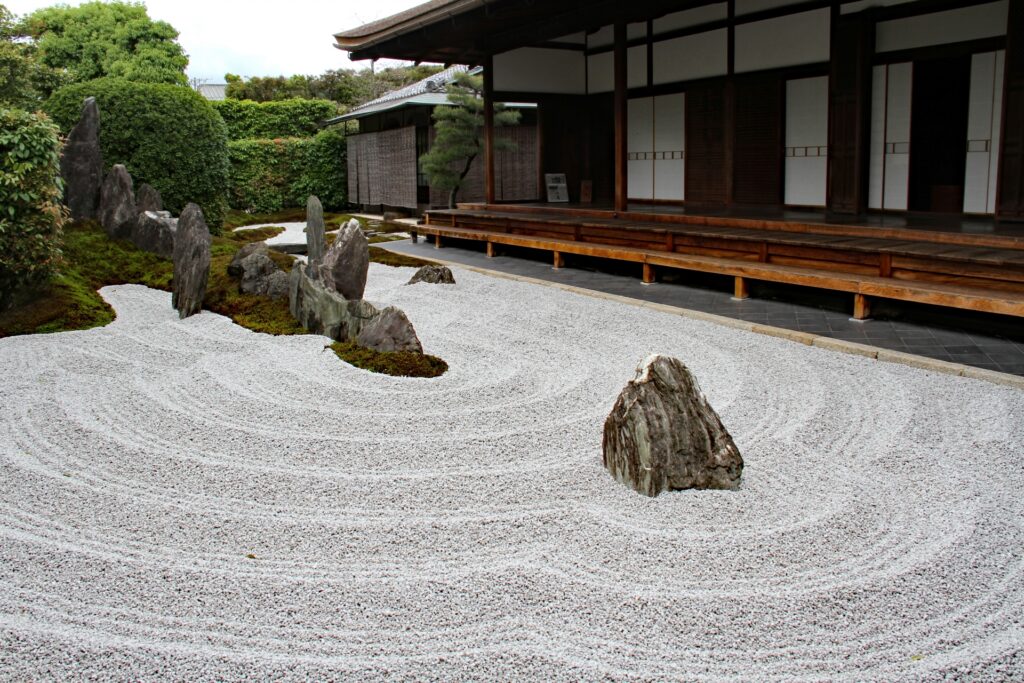
One of the most fascinating aspects of Zen culture is the concept of Wabi-sabi. In Western traditions, perfection is often found in symmetry and flawlessness. Zen teaches the opposite. Whether it is a cracked tea bowl mended with gold (Kintsugi) or a rock garden with uneven stones, Zen finds divinity in the imperfect and the fleeting. It reminds us that nothing lasts, nothing is finished, and nothing is perfect—and that is where true beauty resides.
Zen in the Modern Chaos
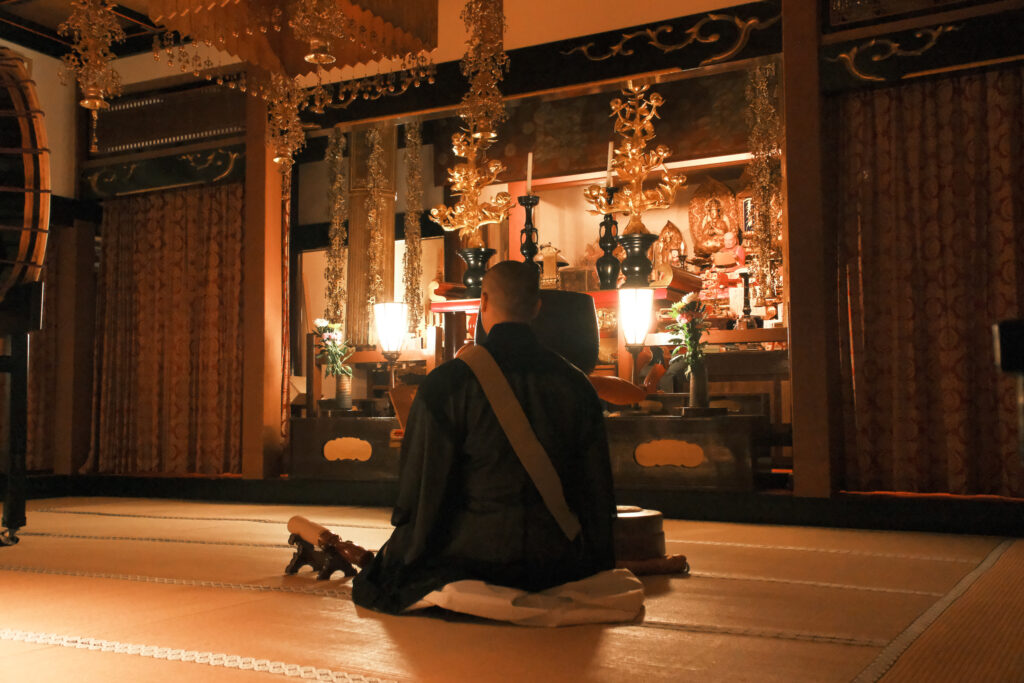
In our era of digital noise and endless notifications, Zen offers a radical alternative: the power of “One Task.” In the Zen tradition, even the most mundane acts—sweeping a floor, pouring tea, or calligraphy—are treated as sacred rituals. The goal is not to finish the task, but to be the task.
As you walk through a Zen garden like those in Kyoto, you’ll notice that the raked gravel represents water, though no water is present. It invites you to use your imagination to fill the void. Zen doesn’t give you answers; it provides the space for you to find your own.
Perhaps that is the ultimate secret of Zen: it is not something you “do” for thirty minutes on a meditation mat. It is a way of seeing the world with a “beginner’s mind”—clear, open, and ready for the present moment.