Ukiyoe is more than woodblock prints—it is the art of capturing the fleeting, electric beauty of the “now.”
When most people think of Ukiyoe, they imagine Hokusai’s Great Wave or the serene faces of geishas. But to truly understand these “Pictures of the Floating World,” we must look past the stillness. Born in the bustling, neon-less streets of Edo-period Tokyo, Ukiyoe was the pop culture of its time. It wasn’t painted for elites in quiet galleries; it was mass-produced for the common people—the dreamers, the rebels, and the city dwellers who lived for the moment.
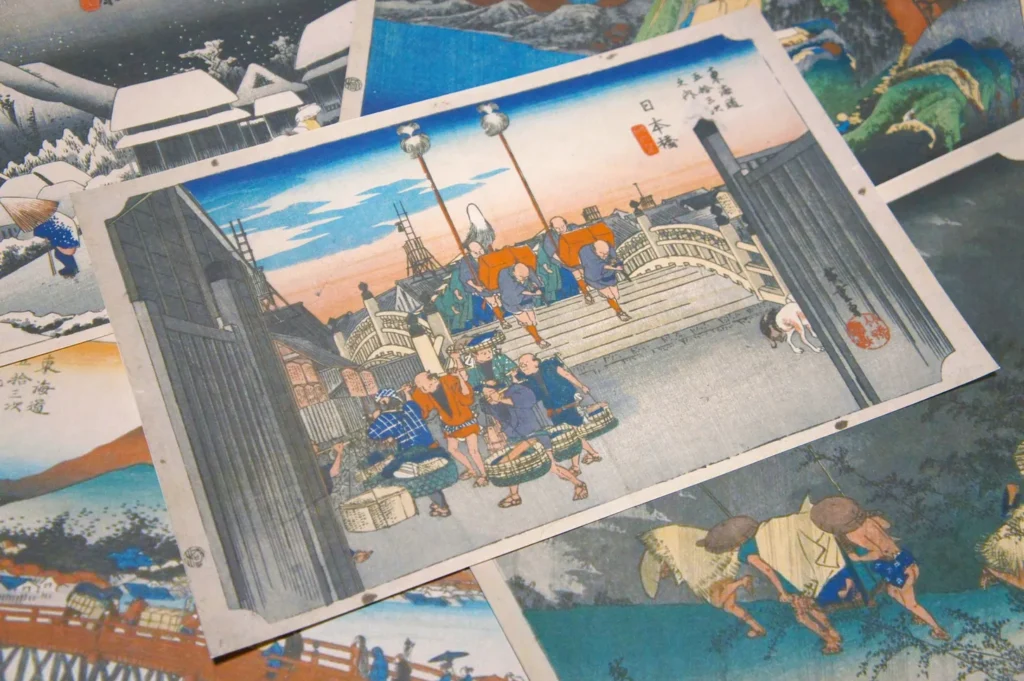
The Art of the “Fleeting Moment”
The term Ukiyo (浮世) originally had a somber meaning: a “sorrowful world” of transient life. However, during the Edo period, the urban class flipped this philosophy on its head. If life is short and unpredictable, why not enjoy it?
Ukiyoe became the visual record of this hedonistic shift. It captured:
It was the Instagram of the 17th century—a way to share beauty, celebrity, and style with the masses.
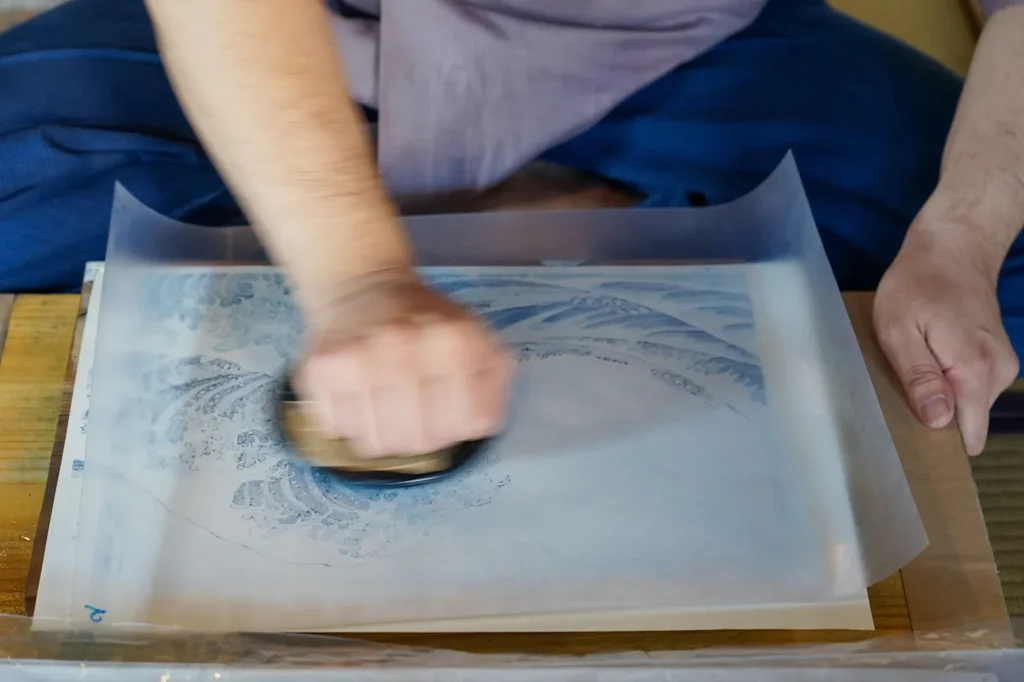
The Samurai of Line and Color
While Zen was the discipline of the mind (as discussed in our previous post), Ukiyoe was the discipline of the hand. Creating a single print required a “Holy Trinity” of craftsmen: the artist who drew the lines, the carver who risked fingers to cut cherry wood, and the printer who layered colors with surgical precision.
This wasn’t just art; it was an industrial revolution of aesthetics. When these prints eventually reached Europe, they didn’t just decorate walls—they triggered Japonisme, shattering the perspectives of Van Gogh and Monet, and forever changing the course of Western modern art.
The Beauty of the Everyday
“Living only for the moment, turning our full attention to the pleasures of the moon, the snow, the cherry blossoms… this is what we call Ukiyo.” — Asai Ryoi, 1661
Today, we live in a world that is faster than ever. Ukiyoe reminds us that beauty isn’t found in permanence, but in the “floating” moments that disappear as quickly as they arrive.