
A guide to navigating the invisible boundaries between Shinto and Buddhism.
For many travelers wandering through the misty forests of Kyoto or the neon-lit streets of Tokyo, the distinction between a Jinja (Shrine) and an O-tera (Temple) can feel elusive. Both offer incense, beautiful architecture, and a sense of profound peace. Yet, to understand the difference is to unlock the unique spiritual DNA of Japan—a country that breathes through two different lungs.
Shinto Shrines: Celebrating the Vitality of Life
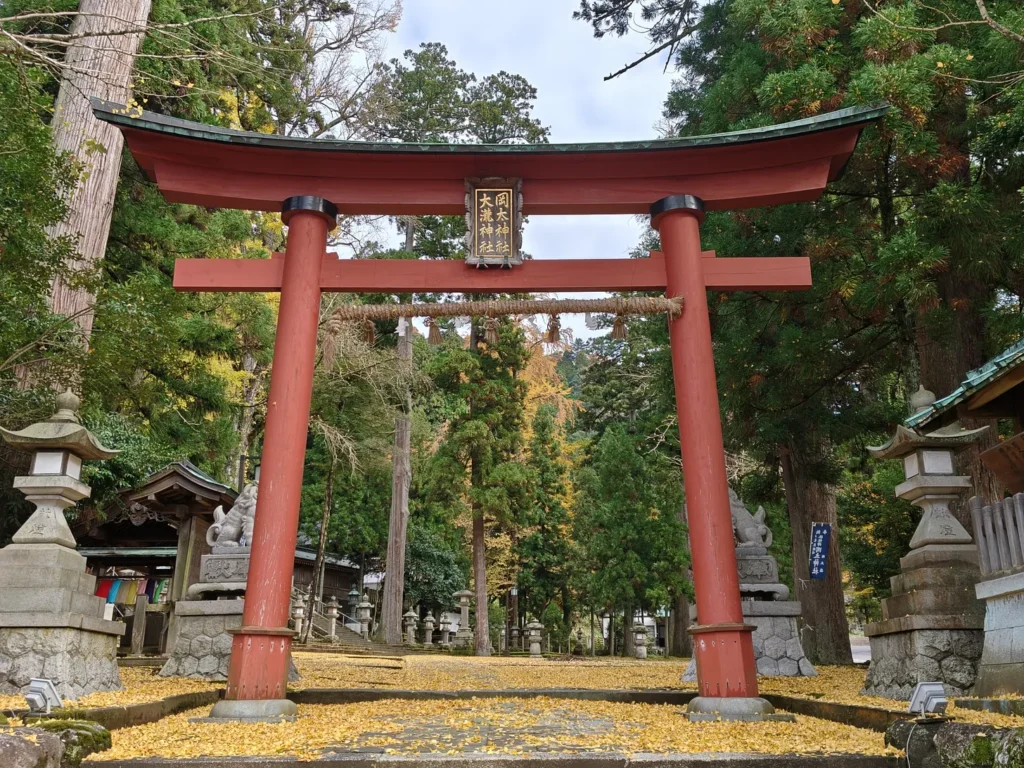
Enter through a Torii gate—the vermilion portal that separates the mundane from the divine—and you are standing in a Shinto shrine. Shinto is Japan’s indigenous spirituality, a belief system where Kami (spirits) reside in everything: from ancient waterfalls and jagged rocks to the wind itself.
A shrine is not a place for the dead; it is a celebration of the living. People visit shrines to pray for success in business, safety in childbirth, or luck in exams. When you clap your hands twice at the altar, you are waking up the spirits, announcing your presence, and expressing gratitude for the vitality of existence. Shinto is the bright, festive side of Japan, rooted in the purity of nature.
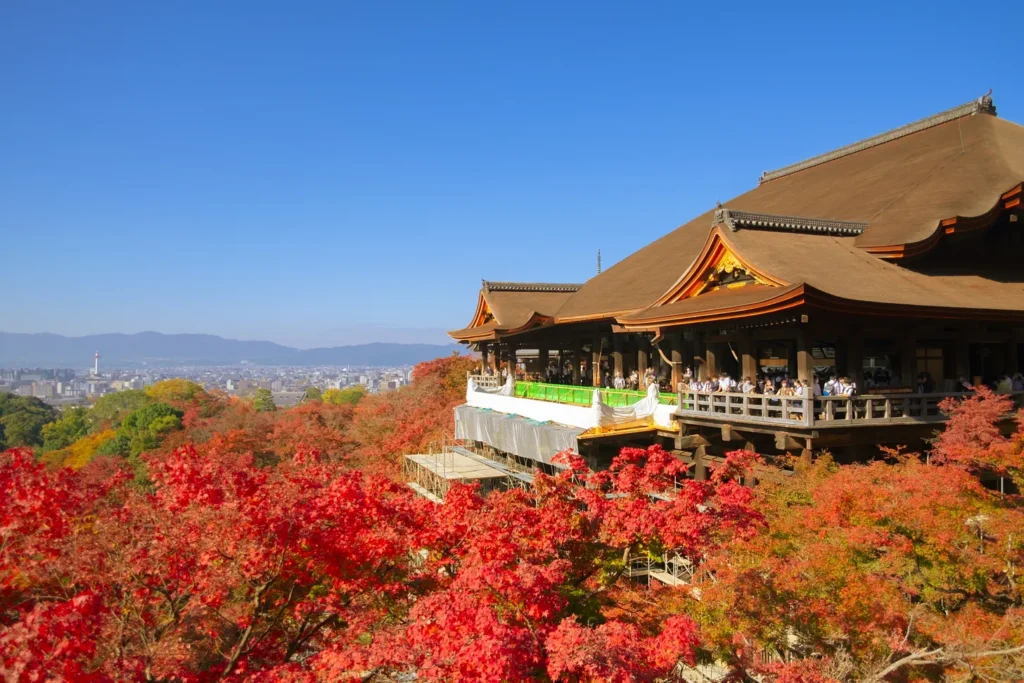
While shrines celebrate life, temples help us navigate the afterlife and the inner self. Buddhism arrived in Japan from India via China and Korea, bringing with it a deep philosophy of enlightenment and the cycle of rebirth. You can recognize a temple by its Sanmon gate (often a grand, two-story structure) and the presence of statues of Buddha or Bodhisattvas.
Temples are centers for meditation, funerals, and ancestral worship. They are places of quiet introspection where the scent of thick incense is meant to purify the air and carry prayers to the heavens. If a shrine is a celebration of nature’s energy, a temple is a sanctuary for the mind—a place to reflect on the transience of life and find stillness amidst the chaos.
The Harmony of “Both”
Perhaps the most “Japanese” aspect of this duality is that they are not mutually exclusive. For centuries, the Japanese have lived by a beautiful paradox: “Born Shinto, Die Buddhist.” It is common for a person to be taken to a shrine as a newborn for a blessing of life, and centuries later, be honored at a temple for the transition of their soul. In Japan, these two paths do not compete; they weave together like two threads in a single tapestry. One offers the energy to live, while the other offers the wisdom to let go.