
Step into a Japanese garden, and the chaotic noise of the modern world instantly fades. It is not just a collection of plants and rocks; it is a meticulously crafted universe designed to guide the soul toward stillness. In Japan, gardening is not about decorating nature—it is about distilling its essence.
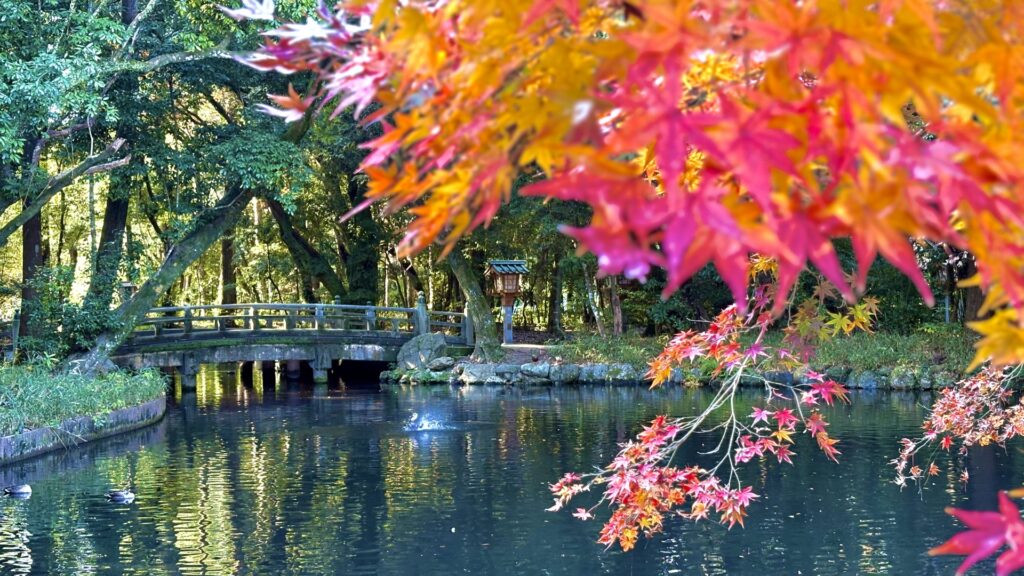
The Beauty of “Ma” (Negative Space)
Unlike Western gardens that often seek to fill every corner with vibrant flowers, the Japanese garden embraces Ma—the beauty of emptiness. The white sand of a Karesansui (dry landscape garden) represents the vast ocean, and the empty space between rocks allows your mind to breathe. Here, what is not there is just as important as what is.
Wabi-Sabi: Finding Perfection in Decay
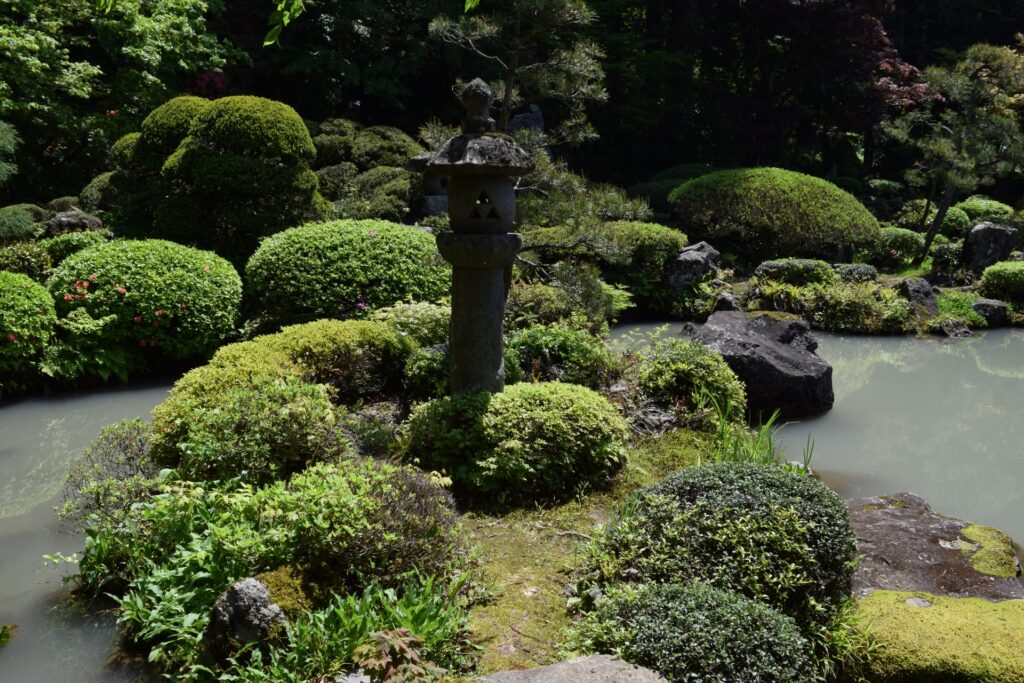
A weathered stone covered in moss or a path of uneven stepping stones tells a story of time. This is Wabi-Sabi, the appreciation of the imperfect and the ephemeral. A Japanese garden does not fight against the seasons; it celebrates the falling leaf and the melting snow, reminding us that there is a deep, quiet beauty in the passing of time.
Borrowed Scenery
One of the most profound techniques is “Shakkei”, or “borrowed scenery.” Masters design gardens to incorporate distant mountains or the moon itself as part of the composition. It is a humble reminder that we are not separate from the universe; we are an integral part of its infinite landscape.
A Japanese garden is a mirror. When you sit on the wooden veranda of a temple and gaze at the raked gravel, you aren’t just looking at a garden—you are looking at your own mind. It is a sanctuary where nature and philosophy become one.