
The modern world often views tea as a quick caffeine fix or a social beverage. However, in the Japanese tradition of Chado (The Way of Tea), a simple bowl of powdered green tea becomes a gateway to the profound. It is an art form that transforms the act of drinking into a moving meditation.While the ceremony appears delicate, its foundation is built on four pillars: Wa (Harmony), Kei (Respect), Sei (Purity), and Jaku (Tranquility). Much like the “mushin” of the Samurai, the tea master must be fully present, where every movement—from the folding of a silk cloth to the whisking of the tea—is performed with absolute intentionality. In the small, dim space of a tea room, the chaos of the outside world is intentionally stripped away.
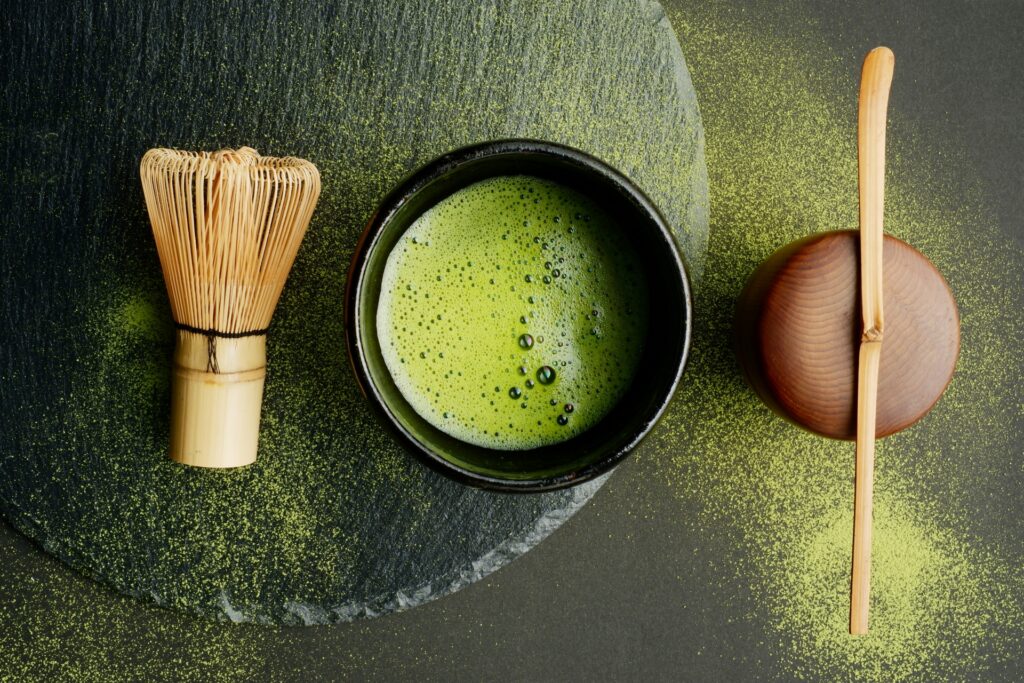
Central to the tea ceremony is the concept of Ichigo Ichie, which translates to “one time, one meeting.” This philosophy reminds us that the exact gathering of people, the season, and the atmosphere of this specific moment can never be repeated.
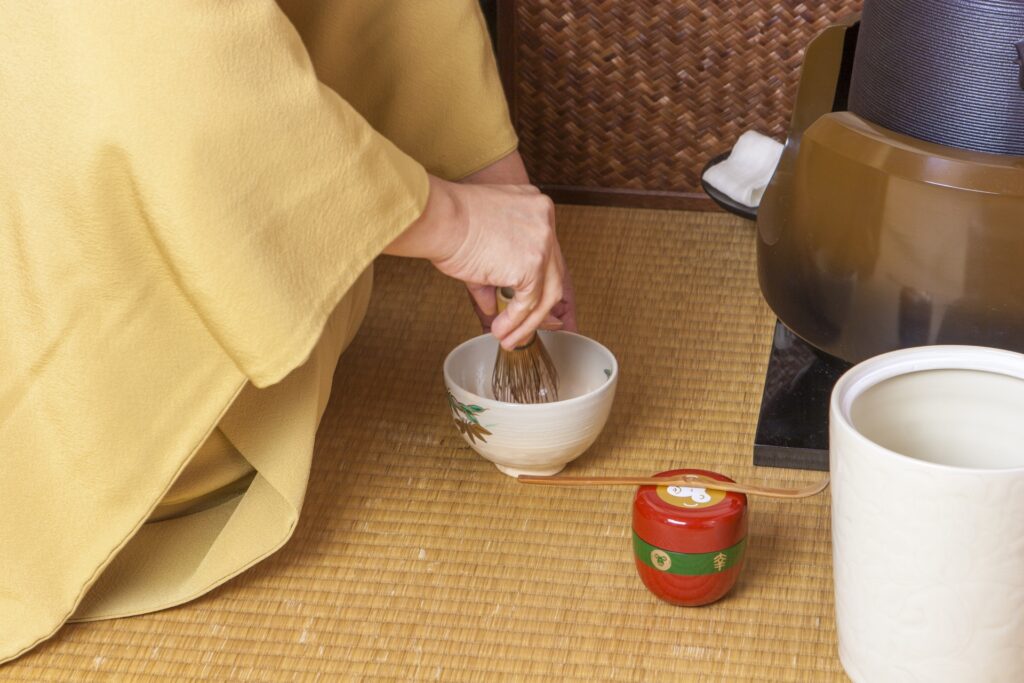
In an era of “digital noise,” the tea ceremony offers a radical practice in “One Task.” It teaches us that there are no mundane acts—only acts performed without presence. To whisk tea is not just to prepare a drink, but to “be the task” itself. By approaching life with a “beginner’s mind,” we can find the same sacredness in our daily routines that a master finds in a bowl of tea.