Understanding the rhythm of Japanese fabric, from formal ceremonies to summer nights.
To the casual observer, the graceful drape of Japanese traditional dress is a single aesthetic. But within the folds of silk and cotton lies a sophisticated language of hierarchy, season, and occasion. Knowing the difference between a Kimono and a Yukata is more than a lesson in fashion; it is an insight into how Japan balances rigid tradition with the breezy freedom of summer.
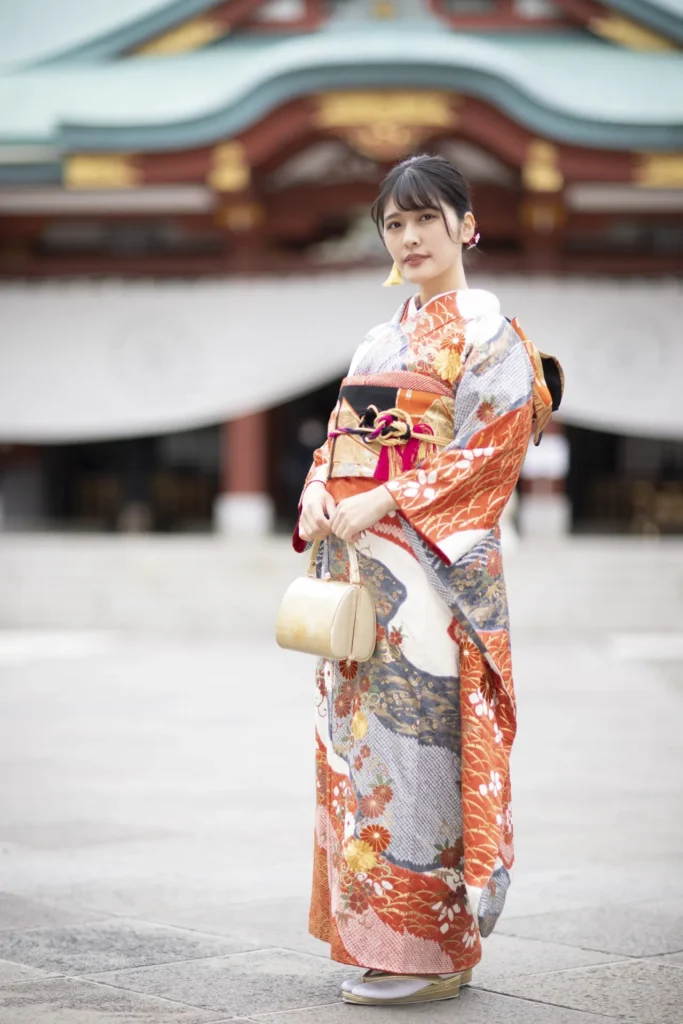
The word Kimono literally translates to “a thing to wear,” but its soul is much more complex. Typically made of silk, the Kimono is the “black tie” of Japanese attire. It is a multi-layered masterpiece that requires a series of hidden ties, paddings, and a stiff Obi (sash).
A Kimono is worn with Tabi (white split-toe socks) and formal footwear. It is a garment of ceremony—worn for weddings, tea ceremonies, and graduations. The patterns on a Kimono often tell a story, changing with the age of the wearer and the exact month of the year. To wear a Kimono is to carry the weight of history on your shoulders; it dictates your posture, your gait, and your grace.
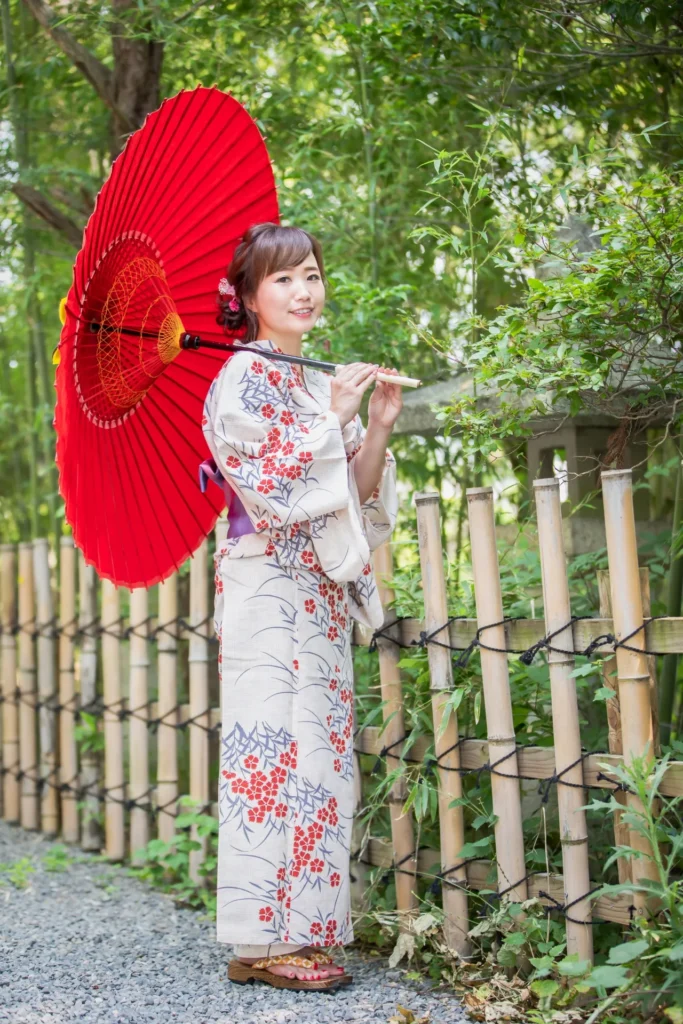
If the Kimono is a formal oil painting, the Yukata is a vibrant watercolor. Originally designed as a bathrobe for the nobility (Yukata means “bathing cloth”), it evolved into the unofficial uniform of the Japanese summer.
Made of breathable cotton or linen, the Yukata is unlined and worn without socks. It is the dress of festivals (Matsuri), fireworks, and relaxation at hot spring inns (Ryokan). Because it is lighter and easier to put on, the Yukata represents the playful, communal side of Japanese culture. Its patterns are often bolder and more modern, mirroring the energy of a summer night.
How to Tell Them Apart: The Secret Clues
For the untrained eye, here are three quick ways to spot the difference:
・The Season : You will rarely see a silk Kimono at a humid August street festival, and you will never see a cotton Yukata at a formal wedding.
・The Collar : A Kimono is always worn with an under-robe (Nagajuban), so you will see a second white collar beneath the main one. A Yukata is worn directly against the skin (or simple undergarments), so there is only one collar.
・The Feet : If they are wearing white socks (Tabi), it’s almost certainly a Kimono. Bare feet in sandals (Geta) signal a Yukata.
A Wrap of Identity
Whether it is the disciplined silk of a Kimono or the airy cotton of a Yukata, both garments share the same fundamental silhouette: a T-shaped robe that humbles the body’s curves in favor of the fabric’s art. One reminds us of our duties and our past; the other celebrates our freedom and the fleeting heat of summer. Together, they form the complete wardrobe of the Japanese spirit.