
A journey to Ise-Shima, where women have dived into the depths of the Pacific for 3,000 years, preserving a legacy of sustainability and sisterhood.
In a modern era defined by rapid technological advancement and the constant pursuit of “more,” a quiet community of women in Ise-Shima, Japan, continues to live by a different rhythm.
These are the Ama — the “women of the sea.” They represent a 3,000-year-old tradition that serves as a profound testament to human resilience and environmental stewardship.
A Legacy Written in Saltwater
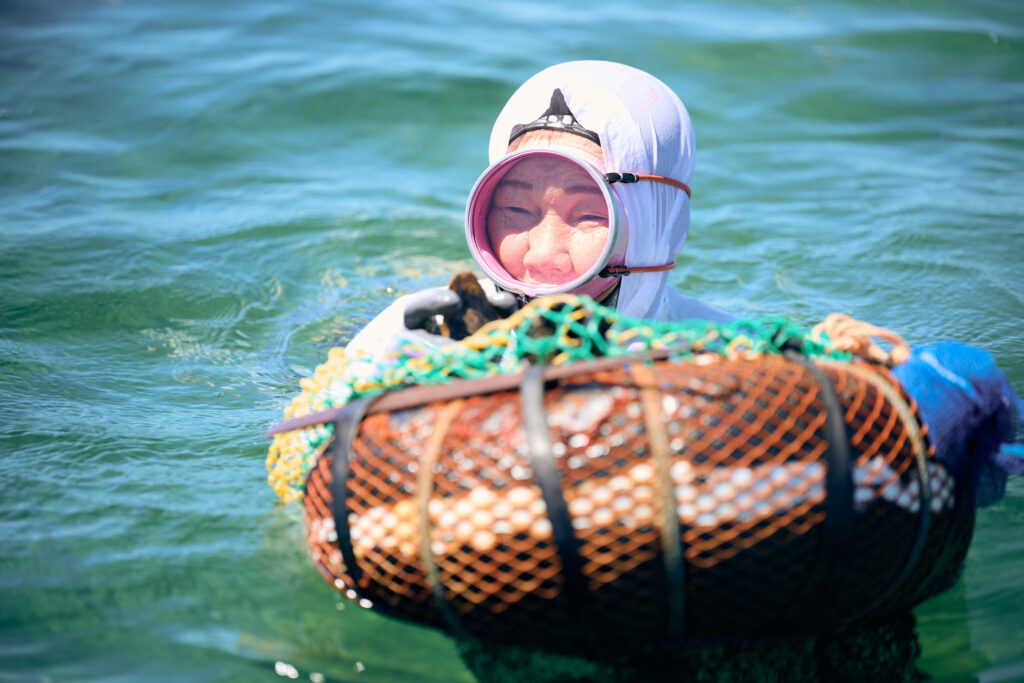
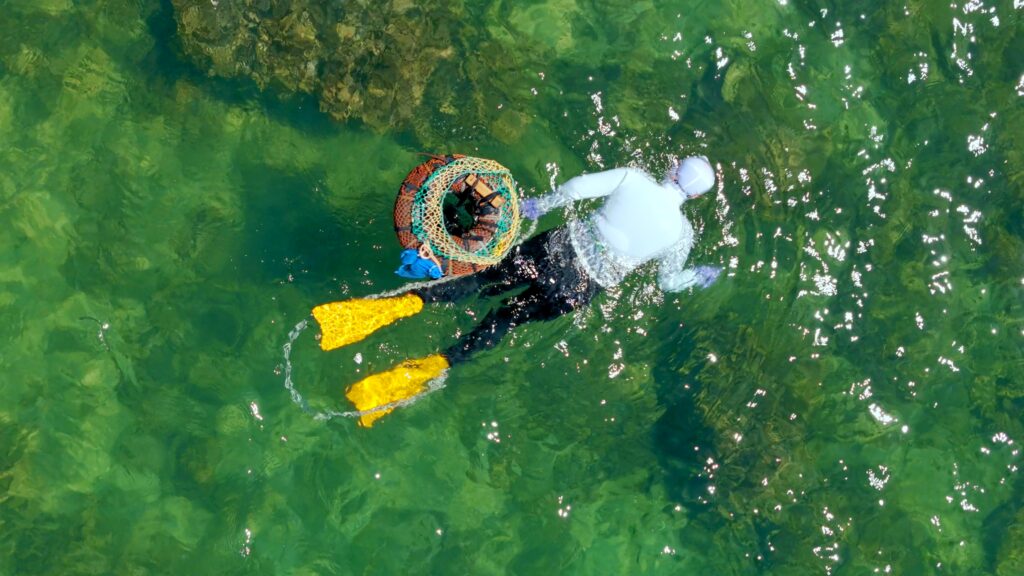
The history of the Ama stretches back to the Jomon period, making it one of the oldest fishing traditions in the world. Unlike modern commercial divers, the Ama do not use oxygen tanks. Instead, they rely solely on their lung capacity to descend into the cold depths of the Pacific Ocean.
This tradition was historically female-led, rooted in the belief that women’s bodies were better suited to withstand the cold temperatures of the deep sea. However, the strength of the Ama is as much spiritual as it is physical. Even today, many divers mark their white cotton robes with Seimei and Doman—ancient talismanic symbols meant to ward off spirits and ensure a safe return from the silence of the water.
The Philosophy of “Enough”
The Ama way of life offers a powerful alternative to modern consumption. Long before “sustainability” became a global buzzword, the Ama practiced it as a sacred duty.
Strict self-imposed regulations govern their harvest: diving is limited to a few hours a day, and specific seasons are observed to allow the ocean to heal. If an abalone has not reached a certain size, it is returned to the reef. This philosophy of “enough” ensures that the sea remains fertile for the next generation. For the Ama, the ocean is not a resource to be exploited, but a partner to be respected.
The Ama-Goya: The Heart of the Community
The essence of Ama culture is found not only in the water but also on the shore, inside the Ama-Goya. These are simple huts where the women gather to warm themselves by a central fire after a dive.
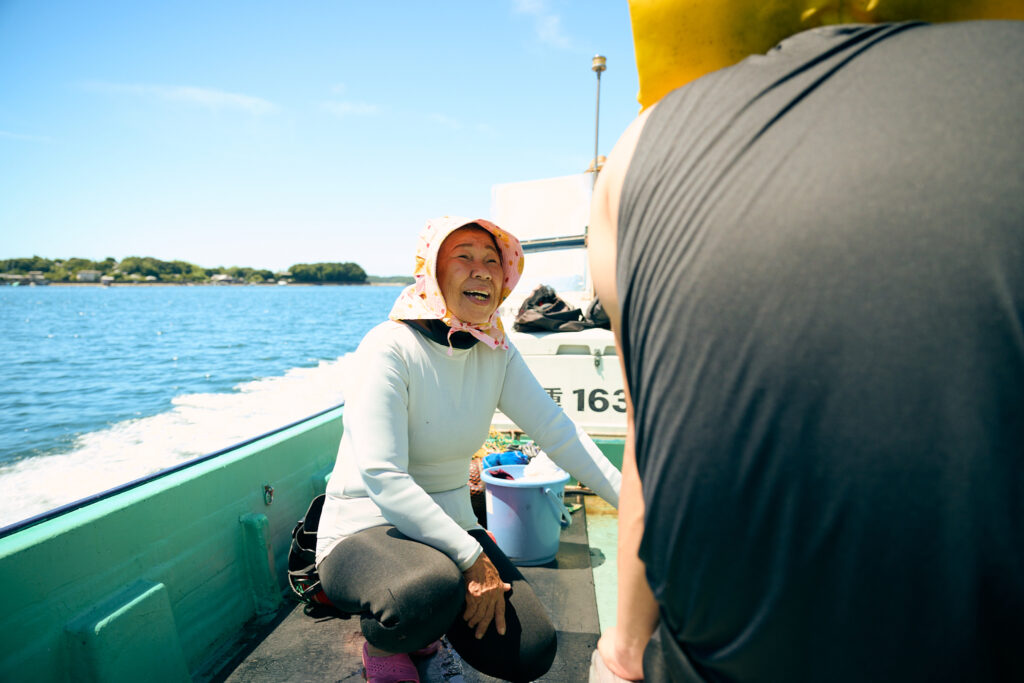
The Ama-Goya serves as a sanctuary for sisterhood. It is here that the wisdom of the elders is passed down to the youth—not through textbooks, but through oral storytelling and shared experience. In the warmth of the fire, the physical toll of the dive is replaced by laughter and mutual support. This female-centric community has survived for millennia by prioritizing collective well-being over individual competition.
The Modern Ama: A Bridge Between Eras
While the number of practicing Ama is declining, the spirit of the tradition remains remarkably resilient. In the face of climate change and shifting economic landscapes, the modern Ama continue to dive, viewing the sea as a place of ultimate freedom and clarity.
Each dive is a form of meditation—a moment where the mind must become as still as the water to conserve the breath. By preserving this ancient practice, the Ama serve as a bridge between Japan’s mythological past and a future that desperately needs to reconnect with the natural world.
A Reflection on the Deep
The story of the Ama invites a contemplation of our own lives. It asks whether it is possible to find balance in an imbalanced world, to take only what is needed, and to find strength in community.
The Pacific Ocean remains vast and mysterious, but the wisdom the Ama bring to the surface is a light that can guide anyone seeking a more harmonious way of being.