
Across the mountainous landscapes of Japan, nestled in mist-covered valleys, stand houses that seem to breathe. Their massive, steeply pitched roofs are not made of tile or metal, but of thousands of blades of dried grass. These are Kayabuki — traditional thatched-roof houses. More than just a rustic architectural style, these structures represent a thousand-year-old dialogue between humanity and the natural world.
Architecture Born from the Soil
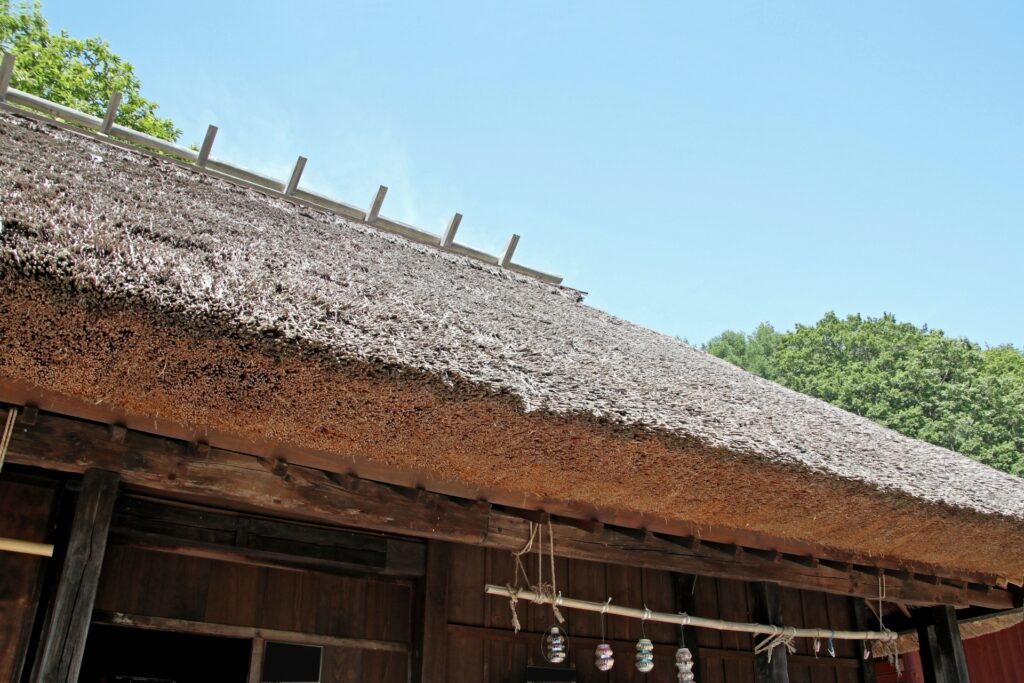
The essence of Kayabuki lies in its materiality. Using kaya (miscanthus reed) or rice straw, these roofs are constructed entirely from organic matter. Unlike modern building materials that resist nature, a thatched roof lives with it. It breathes, allowing air to circulate through the house in the humid Japanese summer, while providing exceptional insulation during the harsh, snowy winters.
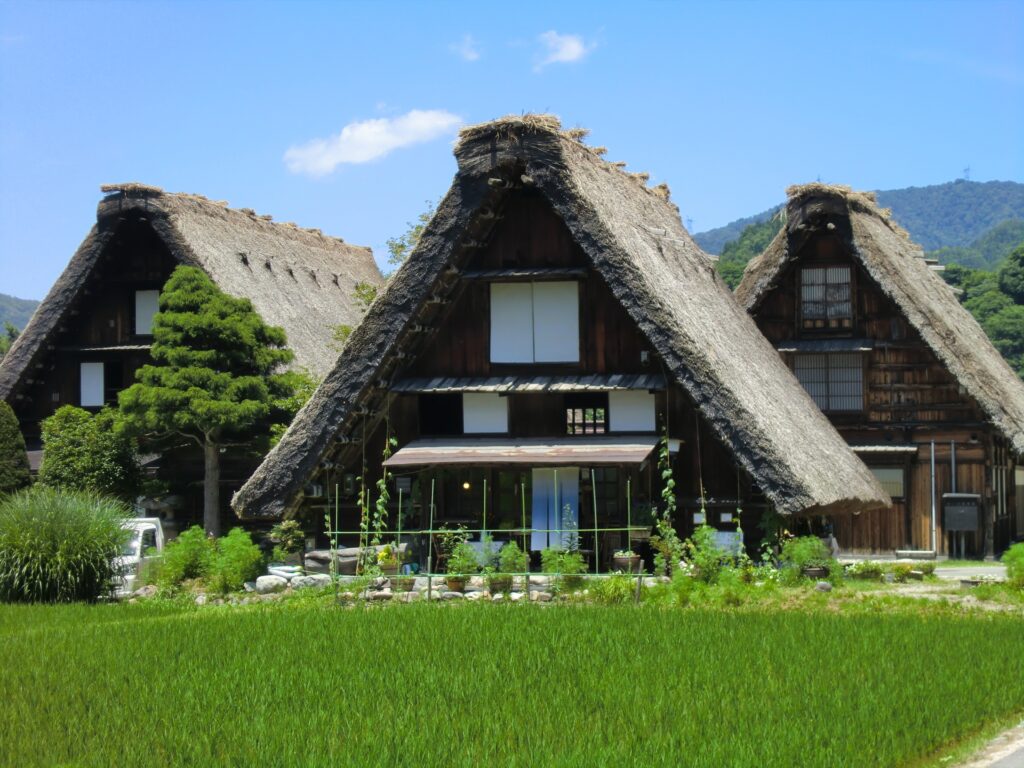
In places like Shirakawa-go, a UNESCO World Heritage site in Gifu Prefecture, the roofs are built in the Gassho-zukuri style—named because the steep slopes resemble hands pressed together in prayer. This dramatic angle is a functional necessity, designed to withstand the region’s legendary heavy snowfall, allowing the weight to slide off before it can crush the structure beneath.
The Spirit of “Yui”: The Strength of the Collective
Perhaps the most remarkable aspect of Kayabuki is not the roof itself, but the social contract required to maintain it. A thatched roof can last thirty to fifty years, but when it needs replacing, the task is Herculean. It requires thousands of bundles of grass and a workforce far larger than a single family.
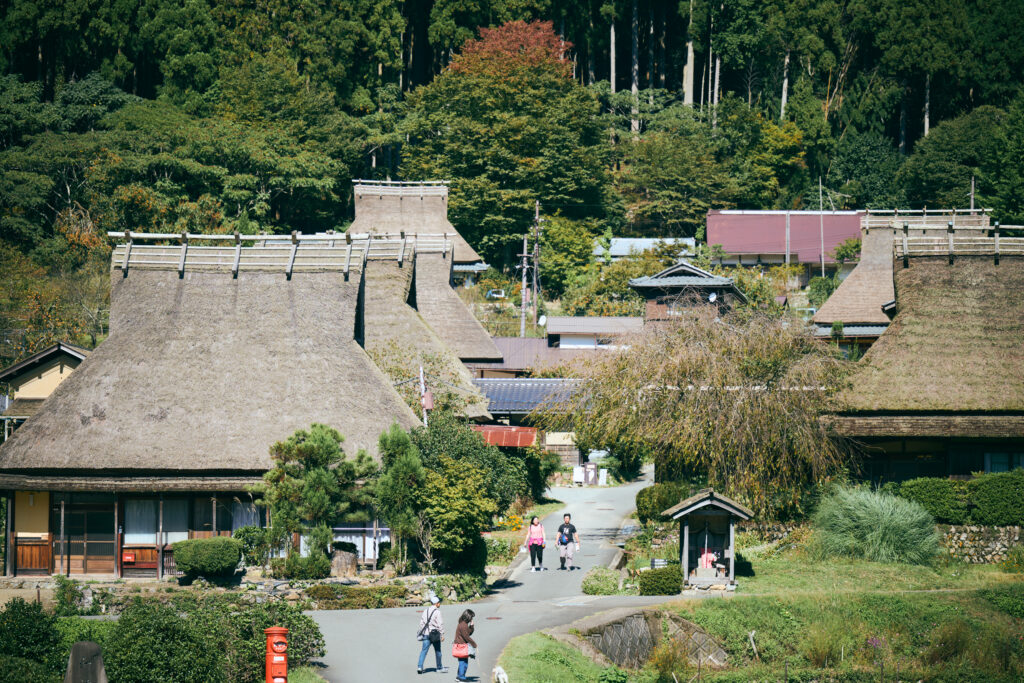
This gave birth to the tradition of Yui — a system of mutual labor and communal spirit. In villages like Miyama near Kyoto, the re-thatching of a roof remains a collective event. Neighbors gather to work together, not for wages, but with the understanding that when their own roof eventually fails, the community will be there to support them. In an age of increasing isolation, the Kayabuki roof stands as a physical manifestation of social interconnectedness.
The Interior Ecosystem: Fire and Smoke
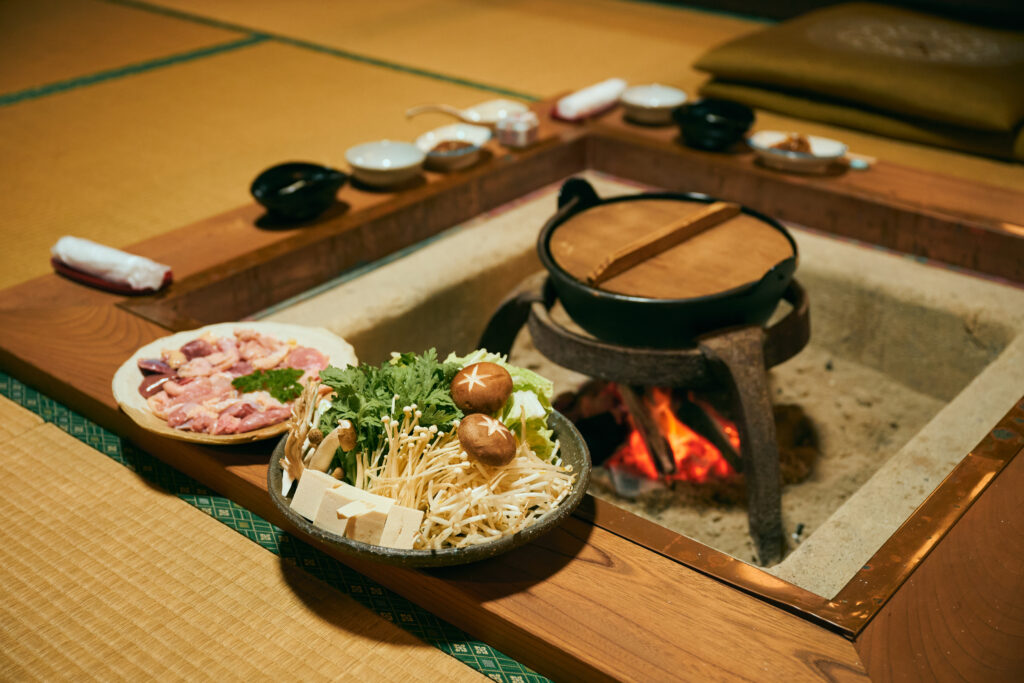
The longevity of a thatched roof is inextricably linked to the life lived inside the house. Traditionally, a central sunken hearth, the Irori, burned throughout the day. The smoke from this fire rose into the rafters, coating the thatch in soot and resin.
This was not an accidental byproduct; it was essential maintenance. The smoke acted as a natural pesticide and antifungal agent, drying the reeds and protecting them from rot and insects. The house and the hearth functioned as a single, breathing ecosystem—a house maintained by the very act of living within it.
A Modern Lesson in Circularity
Today, the villages of Shirakawa-go and Miyama are not merely open-air museums; they are living blueprints for a sustainable future. When a thatched roof is finally replaced, the old, decomposed grass is not discarded as waste. Instead, it is returned to the earth as high-quality compost for the surrounding fields. It is a perfect circle: the earth provides the shelter, and the shelter eventually nourishes the earth.
Finding Stillness under the Thatch
To stand beneath a Kayabuki roof is to experience a unique kind of silence. The thick layers of grass absorb the sounds of the outside world, creating a space for reflection and stillness.
As the world seeks new ways to live in harmony with the environment, these ancient “praying hands” in the Japanese Alps offer a silent but powerful lesson. They remind us that true durability comes not from the hardness of our materials, but from the strength of our communities and our willingness to listen to the rhythm of the seasons.