
A Sanctuary for the Senses
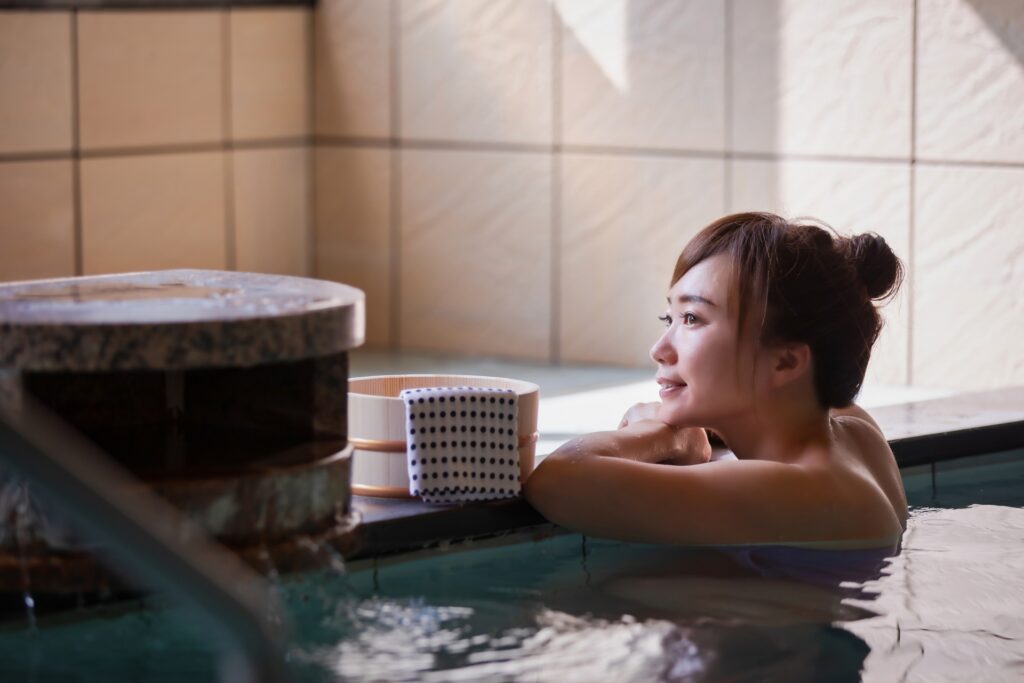
Japanese bathing culture is far more than a matter of hygiene; it is a profound meditative experience. Whether it is the rustic charm of an outdoor onsen (hot spring) or the nostalgic atmosphere of a neighborhood sento (public bath), these spaces offer a sanctuary from the relentless pace of modern life. The moment the body is submerged in the mineral-rich, steaming water, the boundaries between the self and the environment begin to dissolve.
The Art of Naked Hospitality
At the heart of this tradition lies the concept of hadaka no tsukai—”naked communion.” In the bath, all social markers—wealth, status, and profession—are stripped away alongside one’s clothes. In this state of total vulnerability, people from all walks of life sit side-by-side. This radical equality fosters a unique form of community and silent understanding, proving that true connection requires no adornment.
Nature’s Healing Architecture
The aesthetic of the Japanese bath is designed to harmonize with the seasons. In winter, the sight of snow falling around a steaming rock pool provides a stark, beautiful contrast. In summer, the scent of cedar and the sound of cicadas enhance the cooling transition after a soak. From the grand murals of Mount Fuji often found on sento walls to the breathtaking vistas of volcanic valleys, the bath serves as a gallery where nature and architecture meet.
A Ritual of Purification and Respect
For the uninitiated, the elaborate etiquette of the Japanese bath might seem daunting, yet it is a beautiful expression of mutual respect. The meticulous process of scrubbing oneself clean before entering the communal pool is a ritual of purification. It reflects a cultural deep-seated value: the importance of keeping shared spaces pristine for the next person. To follow these steps is to participate in a centuries-old dance of mindfulness.

The Future of an Ancient Tradition
While the number of traditional sentos has declined, a new wave of modern “super sentos” and boutique hot springs is revitalizing the culture. These spaces blend ancient wisdom with contemporary wellness, offering saunas, herbal baths, and refined dining. The endurance of bathing culture proves that even in a digital age, the human need for physical warmth and spiritual stillness remains universal.