
A culinary tradition born from the quietude of Zen monasteries.
Shojin Ryori is more than just the traditional dining style of Buddhist monks; it is a profound meditative practice translated into flavor. Originating in the 13th century with the rise of Zen Buddhism in Japan, this “devotion cuisine” adheres strictly to the principle of ahimsa, or non-violence. By excluding meat, fish, and pungent aromatics like garlic and onions, the cuisine challenges the chef to find transcendence in the simplest of ingredients—the humble soybean, the seasonal root, and the wild mountain green.
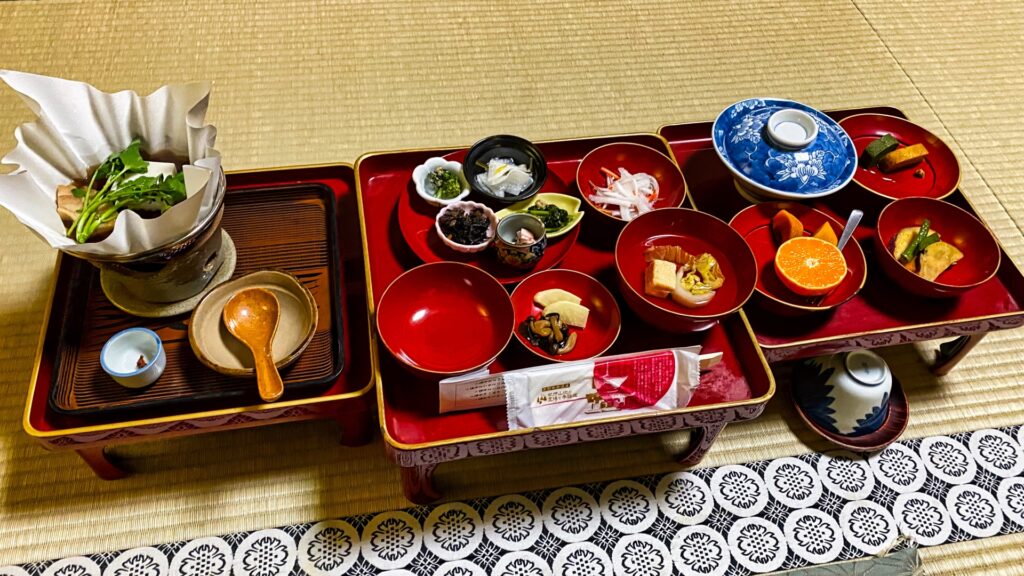
The philosophy of the “Rule of Five” guides every bowl.
Balance in a Shojin meal is governed by a rigorous structural harmony known as Gofuku (The Five Colors), Gomi (The Five Tastes), and Goho (The Five Methods). A single tray typically features a spectrum of white, black, red, yellow, and green, ensuring a visual feast that mirrors the diversity of nature. By balancing sweet, sour, salty, bitter, and umami, and employing techniques such as steaming, boiling, frying, roasting, and raw preparation, the meal achieves a nutritional and sensory completeness that leaves the body feeling energized rather than heavy.
Sustainability is practiced not as a modern trend, but as a spiritual mandate.
In the temple kitchen, nothing is discarded. The peelings of a daikon radish are transformed into a crisp garnish; the soaking water from dried shiitake mushrooms becomes the base for a rich, savory dashi. This “no-waste” ethos reflects the Buddhist concept of Mottainai—the recognition that every object has a soul and deserves to be used to its fullest potential. To eat Shojin Ryori is to participate in an ancient cycle of respect, acknowledging the labor of the farmer and the sacrifice of the soil.
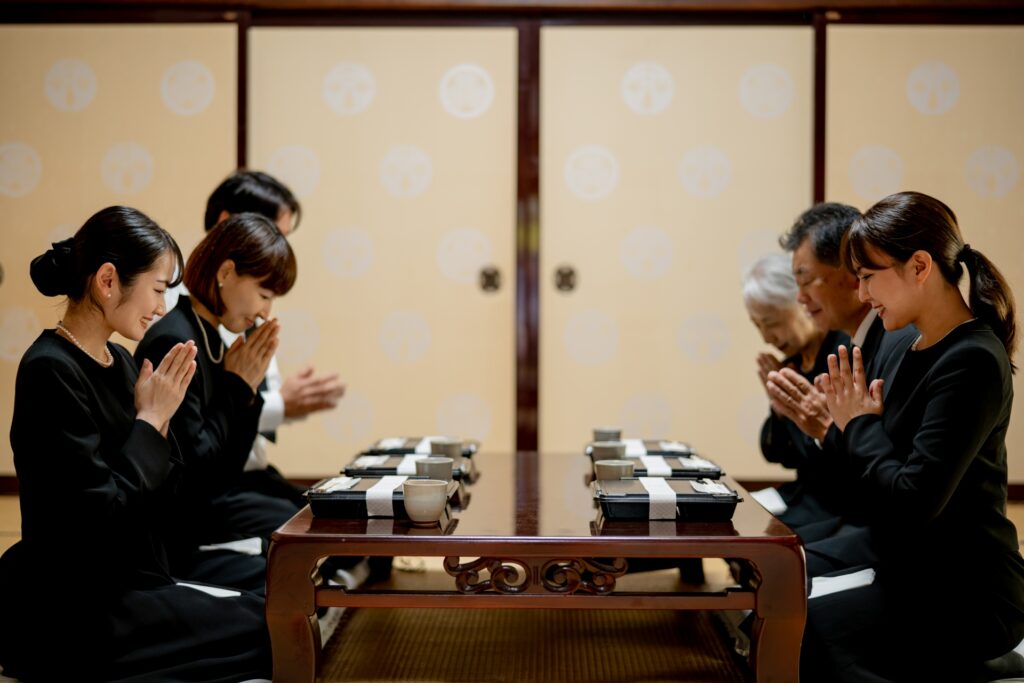
Seasonal transitions are captured in their most fleeting moments.
A Shojin menu acts as a calendar on a plate. In the spring, the bitterness of wild sansai (mountain vegetables) is used to awaken the body from winter’s slumber. In the heat of summer, succulent cucumbers and cooling tofu provide hydration. This deep connection to the shun—the peak moment of a vegetable’s flavor—encourages the diner to remain present in the current season. It is a reminder that beauty is often found in the ephemeral, and that the best flavors are those provided by the earth at this exact second.