
The akachochin (red lantern) is more than just a lighting fixture; it is a cultural landmark. Historically, these lanterns were crafted from bamboo frames and Japanese paper (washi), lit from within by candles. While their function was once purely practical, they have evolved into a powerful visual shorthand for warmth, hospitality, and the “real” Japan. Whether hanging in a solemn temple or outside a smoky alleyway bar, the red lantern signals a transition from the rigid expectations of daily life to a space of spiritual or social connection.
From Sacred Gates to Humble Streets
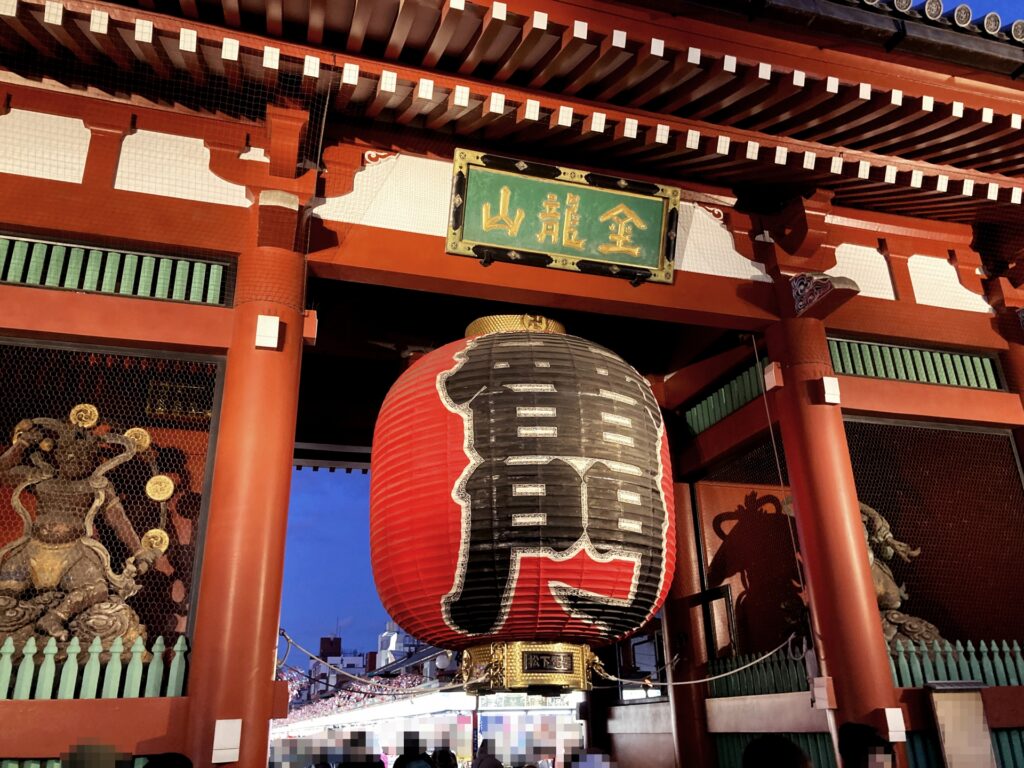
The history of the red lantern begins in a place of reverence. At iconic sites like Senso-ji Temple in Asakusa, the massive red lanterns represent a bridge between the mundane and the sacred. These grand displays were traditionally donated by merchants and neighborhood associations as symbols of gratitude and prayers for prosperity. Over time, this association with “good fortune” and “welcoming energy” migrated from temple gates to the storefronts of traditional eateries. By the Edo period, the red lantern became the standard signboard for izakayas, offering a reliable glow for travelers and locals seeking a meal in the dark city streets.
The Symbol of the “Salaryman” Sanctuary
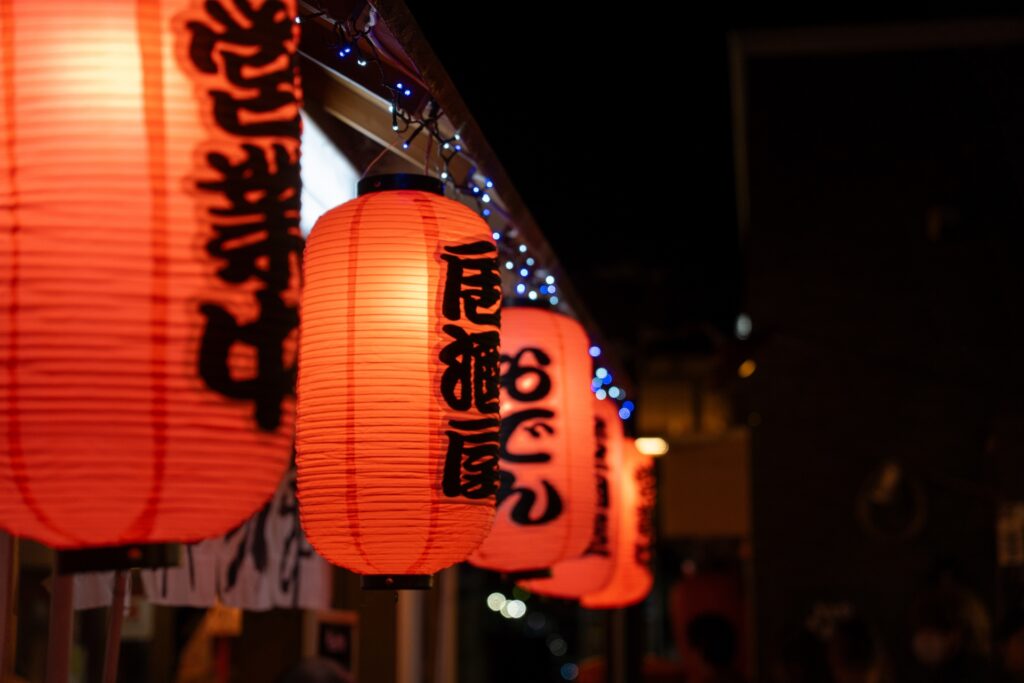
In modern Japan, the term akachochin has become metonymous with the traditional, affordable pub. These establishments are the antithesis of the polished, high-end bars found in Roppongi or Ginza. Inside a “red lantern” district, social hierarchies often blur. Under the dim, amber light, a high-ranking executive might sit shoulder-to-shoulder with a construction worker, both seeking the same solace in grilled skewers (yakitori) and sake. The lantern serves as a promise that the atmosphere inside is unpretentious, nostalgic, and welcoming to anyone with a thirst for conversation.
A Living Craft in a Neon World
Despite the prevalence of modern signage, the craft of making traditional akachochin survives through dedicated artisans. Each lantern is often hand-painted with bold calligraphy—frequently the name of the shop or the specific type of alcohol served. For the international visitor, these lanterns offer a sensory roadmap of Japan. They represent a culture that refuses to let go of its tactile history, proving that even in a high-tech society, the most comforting light is still the one that glows through paper and bamboo.