In a world overwhelmed by noise and information, there exists a literary form that finds power in restraint. Haiku, Japan’s world-renowned poetic tradition, is perhaps the ultimate exercise in linguistic economy. In just seventeen syllables, arranged in a 5-7-5 structure, a Haiku captures a fleeting instant, freezing time to reveal a deeper truth about existence and the natural world.

A single breath becomes a gateway to the soul
The essence of Haiku lies in its brevity. It is often described as “poetry of a single breath.” Unlike Western poetry, which often leans toward elaborate metaphors and lengthy descriptions, Haiku strips away the unnecessary. It does not explain emotion; it evokes it through a direct encounter with reality. By focusing on a specific image—a falling leaf, the sound of water, the chill of the wind—it invites the reader to fill the silence with their own imagination.
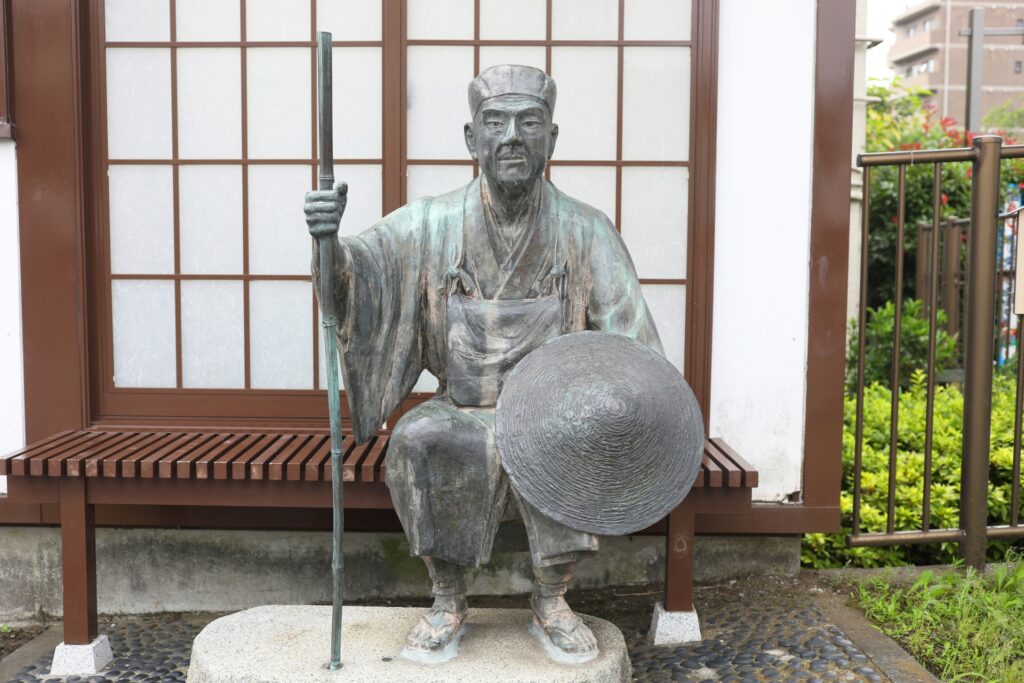
Walking the path of the master traveler, Matsuo Basho
No discussion of Haiku is complete without mentioning Matsuo Basho, the 17th-century master who elevated this form into a spiritual practice. Basho was a wanderer who spent much of his life traveling on foot through the rugged landscapes of Japan. For him, Haiku was a way of recording his “oneness” with nature. His most famous work—The ancient pond / A frog jumps in / Sound of the water—is more than a nature observation; it is a Zen-like realization of the sudden ripple of life within the eternal stillness.
The seasons act as a silent compass for the heart
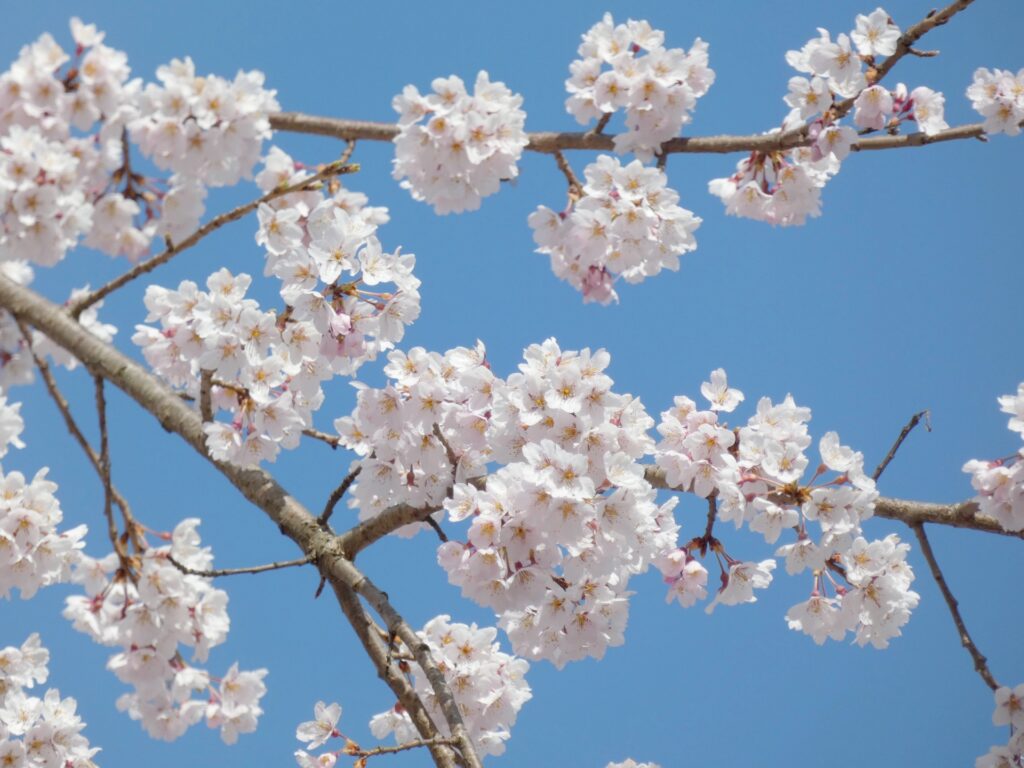
A defining characteristic of traditional Haiku is the Kigo (season word). This is a subtle linguistic anchor that connects the poem to a specific time of year. Whether it is the mention of a cherry blossom (spring) or the “clear moon” (autumn), the Kigo situates the human experience within the grand, cyclical rhythm of the earth. It serves as a reminder that humans are not separate from nature, but an intrinsic part of its ever-changing beauty.
The “cutting word” creates a space for revelation
Central to the structure of Haiku is the Kireji, or “cutting word.” This verbal punctuation creates a pause, momentarily severing the stream of thought. This “cut” is where the magic happens; it forces a juxtaposition between two images or ideas, creating a spark of insight. It is in this deliberate gap—the silence between the words—where the reader discovers the “unspoken,” allowing the poem to resonate long after it has been read.
A quiet rebellion against the rush of modern life
Today, the global popularity of Haiku suggests a collective longing for simplicity. Writing or reading a Haiku is a democratic act of mindfulness. It requires one to stop, look, and truly see. In an age of endless scrolling, the seventeen syllables of a Haiku offer a sanctuary of focus. It teaches that the most profound experiences are often found not in the grand gestures of life, but in the quiet, overlooked corners of the everyday.