
Exploring the silent language and transformative power of Japan’s oldest theatrical masks.
Noh theater, one of the world’s oldest performing arts, is often described as “the art of walking.” Yet, the true epicenter of its mystery lies in the Nomen—the mask. Far from being a static prop, the Noh mask is considered a sacred object, a vessel that bridges the gap between the mundane world and the realm of spirits. When a performer dons a mask, they do not simply play a character; they “become” the mask, a process so spiritual that actors often spend minutes staring at the mask in a private dressing room before entering the stage.
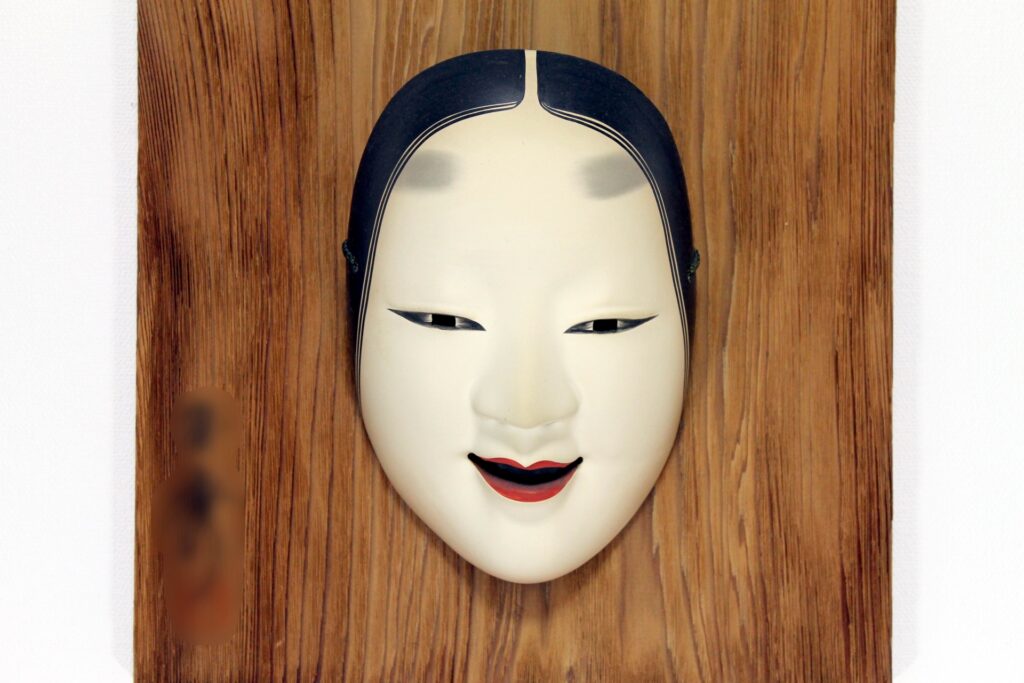
A lineage of wood and lacquer traces back to the dawn of Japanese aesthetics.
The history of Noh masks is a journey through the evolution of Japanese craftsmanship. While their roots lie in earlier masked dances like Gigaku and Bugaku, the Noh masks we recognize today were perfected during the Muromachi period (14th–16th century). Master carvers from families like the Kanze and Komparu established the fundamental archetypes. These masks are typically carved from Japanese cypress (hinoki) and finished with layers of crushed seashell powder mixed with glue, creating a skin-like texture that catches the dim light of the traditional stage.
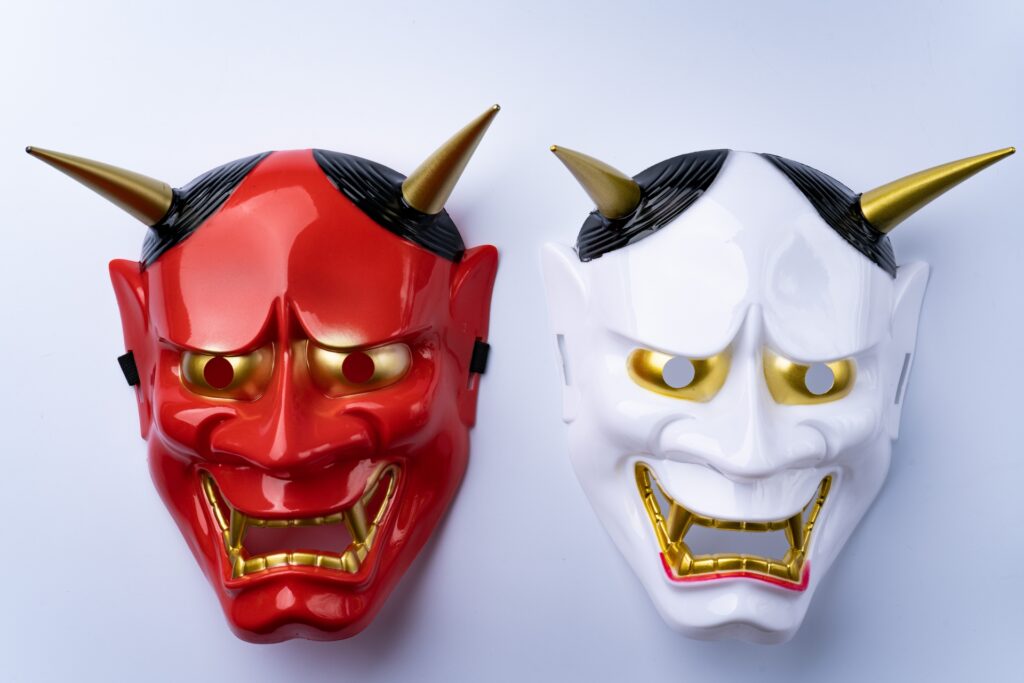
From the ethereal beauty of a maiden to the vengeful roar of a demon.
While there are over 250 varieties of Noh masks, they generally fall into several iconic categories that define the narrative.
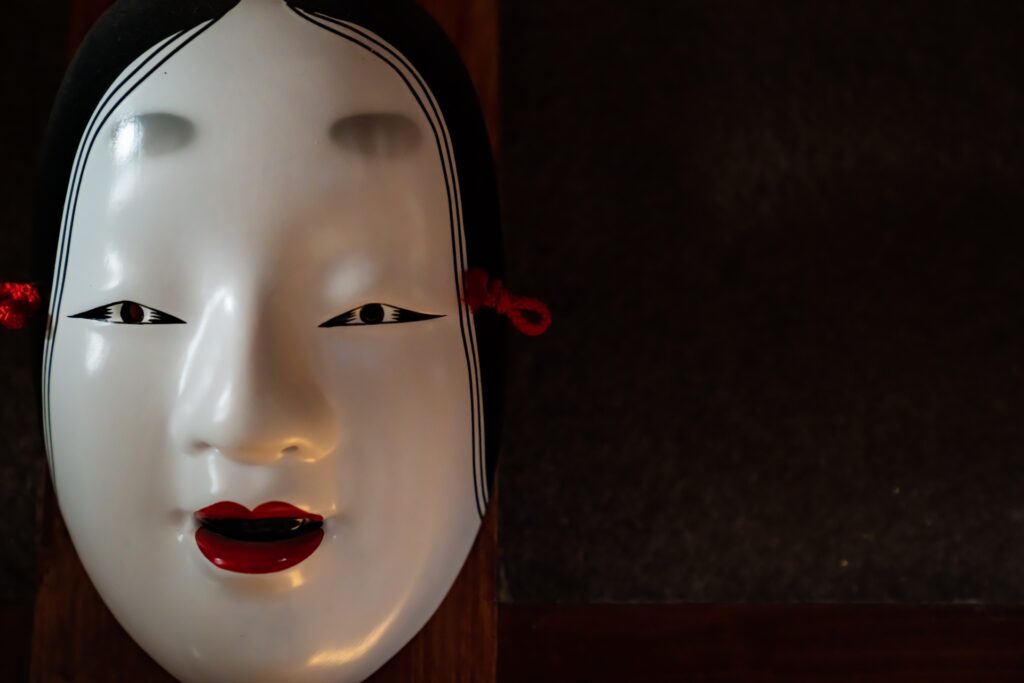
The magic of the “Infinite Expression” lies in the subtle tilt of a chin.
The most remarkable technical feat of a Noh mask is its “neutral” expression, particularly in female masks. This is known as mugen (infinite) expression. By slightly tilting the head up (omote o terasu), the mask appears to smile as it catches the light. Conversely, tilting the head down (omote o kumoru) casts a shadow that makes the mask look as though it is weeping. This allows a single, unmoving piece of wood to convey a vast spectrum of human emotion through the actor’s physical movement.