
The Architecture of the Sacred
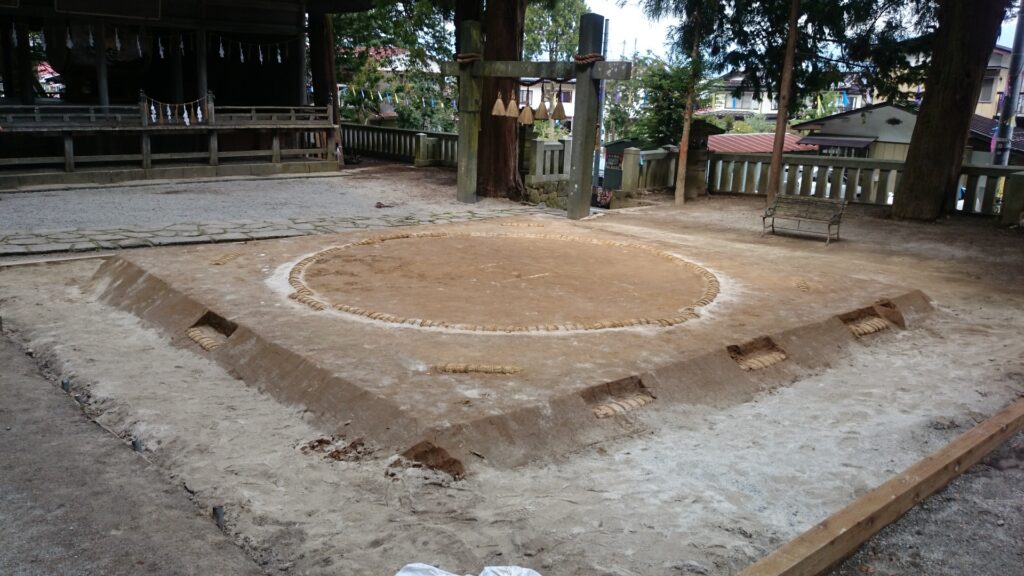
The centerpiece of any sumo match is the Dohyo, a circular ring made of carefully layered clay and covered in a thin dusting of sand. To the uninitiated, it is a stage; to the practitioner, it is sacred ground. Before a tournament begins, Shinto priests perform a ceremony to invite the gods into the ring, burying offerings like chestnuts and dried squid beneath the clay. The roof suspended above the Dohyo is modeled after a Shinto shrine, signifying that every match is as much a religious rite as it is a physical competition. This boundary defines a space where modern athletes transform into “rikishi”—men of strength who carry the weight of Japanese history on their shoulders.
Purification Through Salt and Spirit
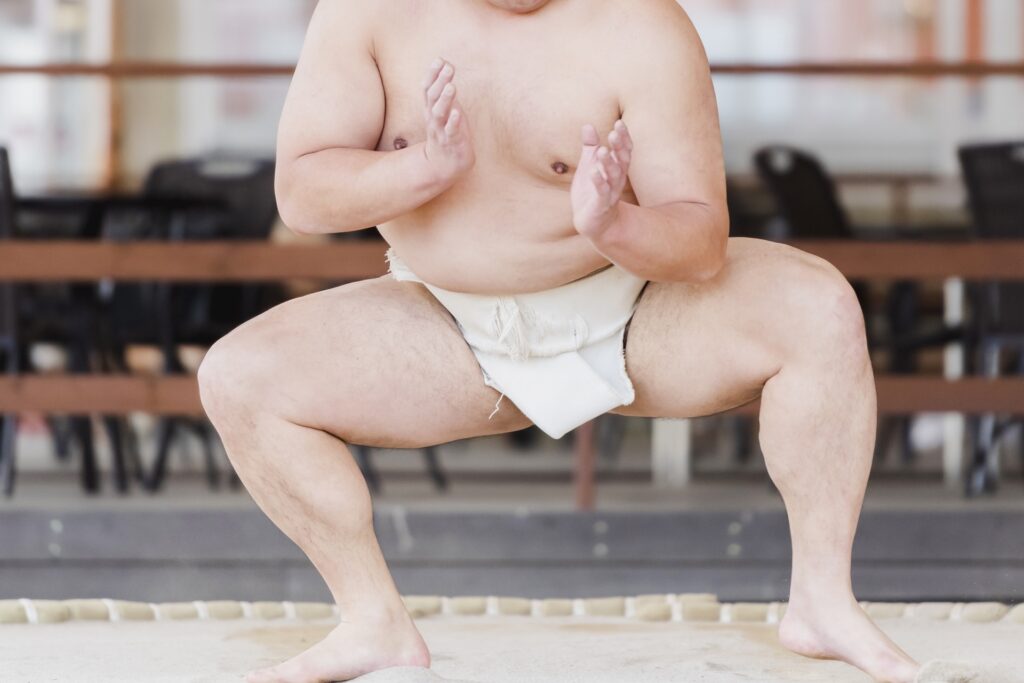
Watching a sumo match requires patience, as the pre-bout rituals often last longer than the fight itself. One of the most striking sights for international viewers is the sight of wrestlers throwing handfuls of salt into the air. This is not for show; it is an act of Kiyome-no-shio (purification), intended to drive away evil spirits and protect the wrestlers from injury. When these giants stare each other down during the shikiri (initial crouch), they are engaging in a psychological battle of wills, waiting for the exact millisecond where their breathing and spirits align.
The Life of the Stable
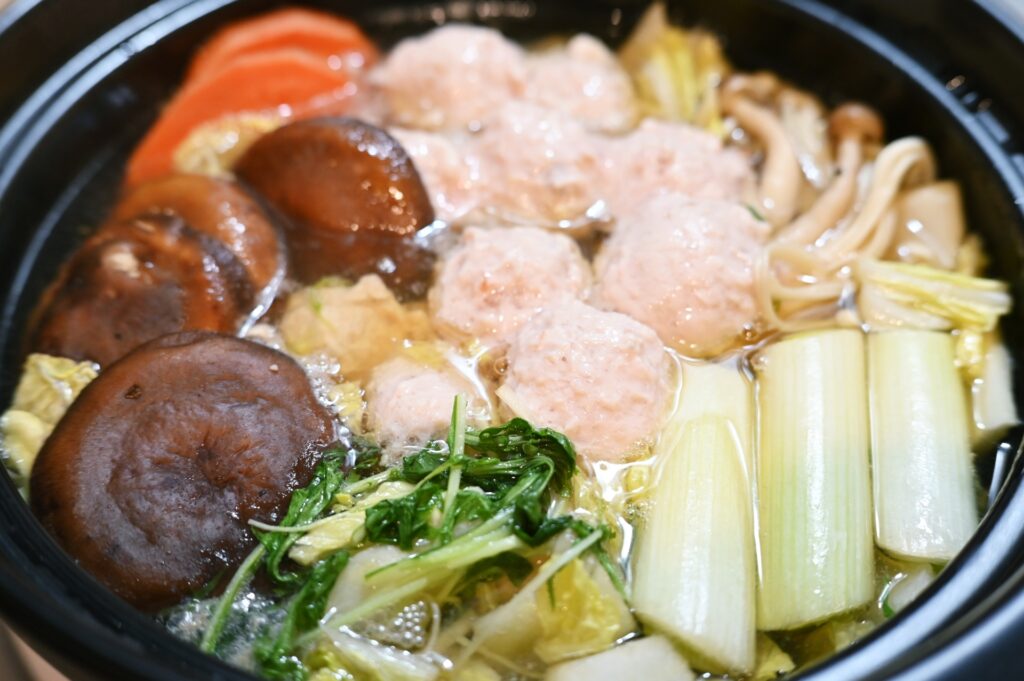
Outside the ring, the world of sumo is defined by a rigorous, communal lifestyle within “stables.” Life here is hierarchical and disciplined, centered around the concept of collective growth. Perhaps the most famous aspect of this lifestyle is Chanko-nabe, the quintessential “sumo stew.” This hearty, protein-rich hotpot is packed with meat, fish, and seasonal vegetables. Traditionally, the junior wrestlers prepare the meal, and it is eaten in large quantities to build the formidable frames required for the sport. However, Chanko-nabe has transcended the stable to become a beloved health food across Japan, celebrated for its nutritional balance and its symbolization of the bonds shared between comrades.
A Living Museum
To witness sumo is to see a “living museum” in motion. From the intricate silk kesho-mawashi (ornamental aprons) worn during the ring-entering ceremony to the chonmage (topknot) hairstyles that date back to the Edo period, every detail is preserved with intentionality. It is a sport that refuses to rush, demanding that the world slows down to appreciate the power of tradition. For those looking to understand the Japanese psyche—the balance of explosive power and profound stillness—there is no better gateway than the ring of the Dohyo.