
The Genesis of Green: A Journey Through Matcha’s History
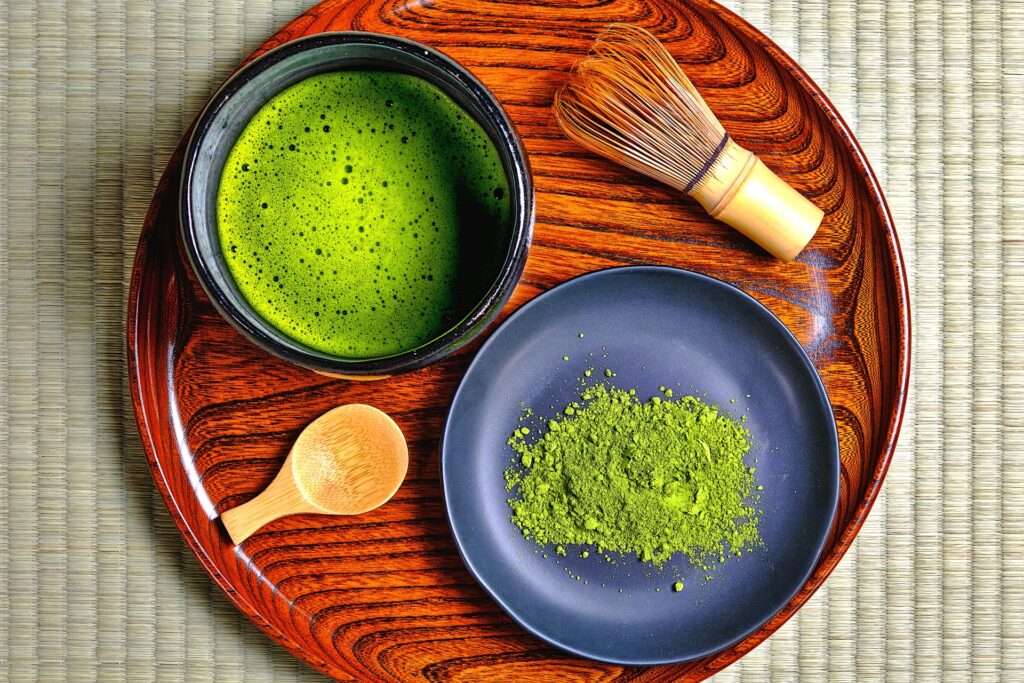
The story of matcha began over a thousand years ago, originating in Tang Dynasty China before being brought to Japan by Zen Buddhist monks. It was Eisa, a Japanese priest, who popularized the practice of grinding tea leaves into a fine powder for its medicinal benefits and ability to aid in meditation. Over centuries, this evolved into the “Way of Tea” (Chado), a highly choreographed ceremony centered on harmony, respect, purity, and tranquility. What started as a spiritual tool for monks and a status symbol for the samurai elite eventually became the cornerstone of Japanese hospitality.
Beyond the Whisk: Why the World is Obsessed with Matcha
In recent years, matcha has transcended its traditional roots to become a global phenomenon, particularly in the West. Its vibrant emerald hue and unique “umami” flavor profile—a balance of earthy bitterness and natural sweetness—have captivated food enthusiasts. Beyond the taste, the global health movement has embraced matcha as a “superfood.” Unlike steeped green tea, consuming the entire powdered leaf provides a concentrated dose of antioxidants, specifically catechins, and a calm alertness provided by the amino acid L-theanine.
A Symphony of Sweets: The Evolution of Matcha Desserts
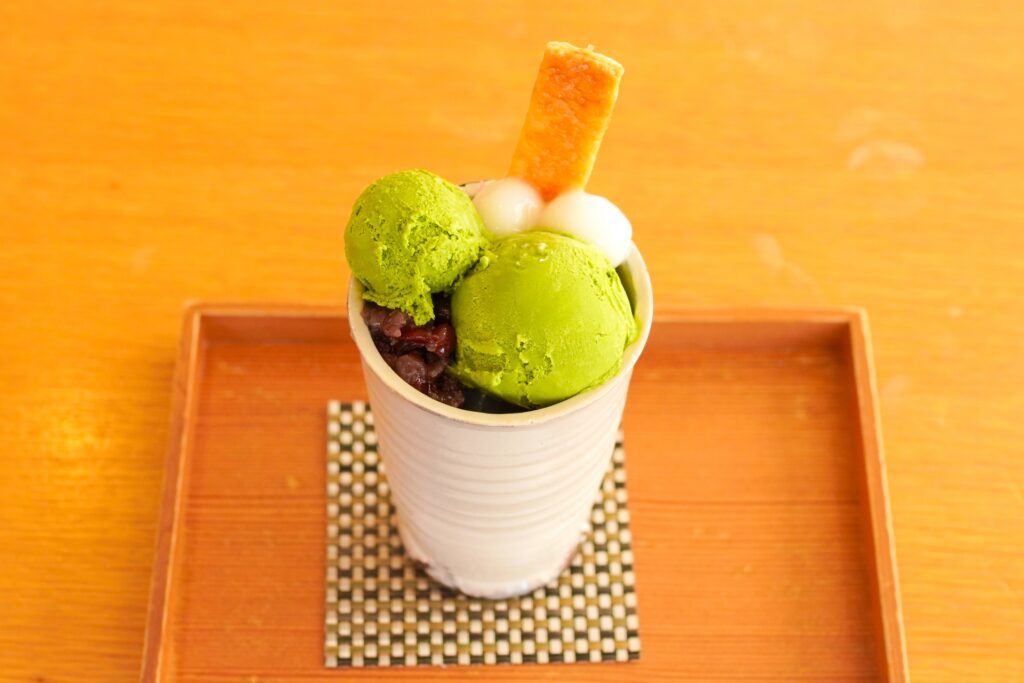
The versatility of matcha has allowed it to migrate from the tea bowl to the dessert plate, sparking a revolution in the culinary world. Traditional Japanese confectionery, known as wagashi, has long used matcha to complement the sweetness of red bean paste. However, modern interpretations have taken it further. Matcha-infused lattes, creamy gelato, and delicate mille-crepe cakes are now staples in cafes from Tokyo to New York. The bitterness of the tea acts as a perfect foil to the richness of white chocolate, cream, and butter, creating sophisticated treats like matcha fondant au chocolat and parfaits layered with mochi and jelly.
The Future of the Emerald Leaf: A Lasting Cultural Bridge
As matcha continues to appear in everything from protein powders to high-end skincare, its cultural significance remains rooted in the Japanese philosophy of mindfulness. Whether it is prepared with a bamboo whisk in a quiet tea room or served as a cold brew in a bustling city, matcha serves as a bridge between ancient tradition and contemporary lifestyle. It is more than just a flavor; it is a sensory experience that invites people from all walks of life to pause and savor a moment of green serenity.