
Beyond a Snack: The Soul of the Rice Harvest
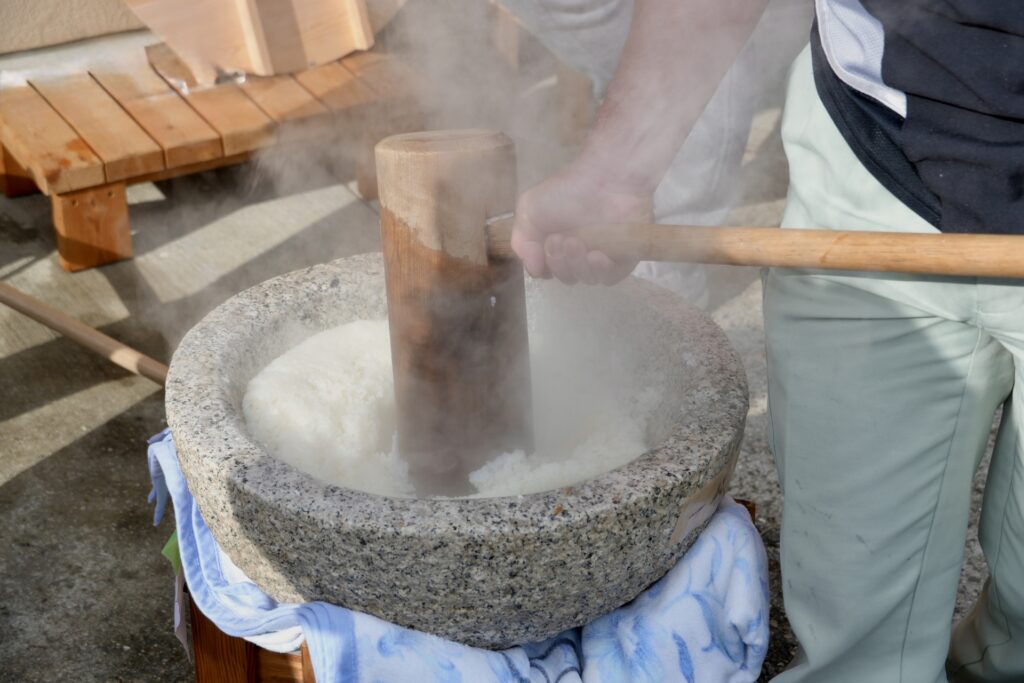
Mochi is far more than just a chewy rice cake; it is a spiritual anchor in Japanese culture. Made from steamed, pounded glutinous rice (mochigome), this elastic dough has symbolized strength and rejuvenation for centuries. Historically, it was considered a “food of the gods,” consumed to provide stamina for samurai or to celebrate the arrival of the New Year. The physical act of making it—known as mochitsuki—is a rhythmic, high-energy performance involving heavy wooden mallets and precise synchronization, turning a simple grain into a communal masterpiece.
Texture as an Art Form: The “Mochi-Mochi” Sensation
To understand the appeal of mochi, one must understand the Japanese concept of mochi-mochi. This onomatopoeia describes a texture that is uniquely bouncy, soft, and satisfyingly resilient. While Western palates traditionally prioritize “crunchy” or “creamy,” the global “chewy” trend—fueled by boba pearls and sourdough—has paved the way for mochi’s international dominance. It offers a tactile eating experience that is as much about the feel as it is about the flavor.
The Modern Metamorphosis: From Daifuku to Ice Cream
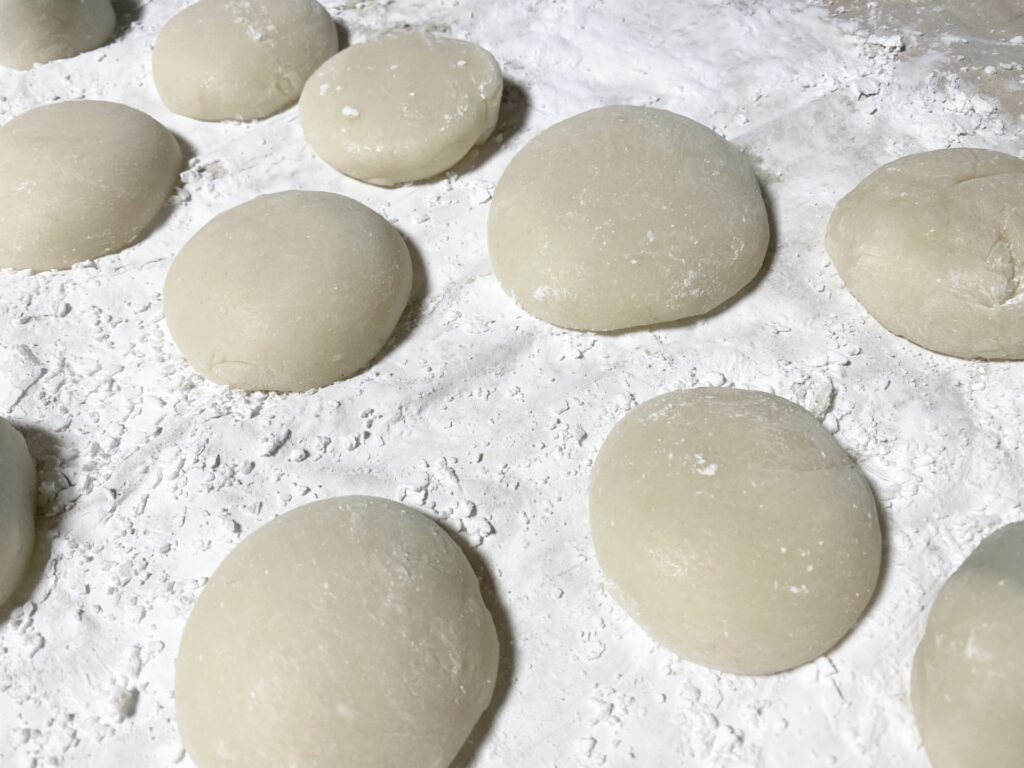
While traditional daifuku (mochi stuffed with sweet red bean paste) remains a staple, mochi has proven to be an incredibly versatile canvas for global fusion. The invention of mochi ice cream in the late 20th century acted as a “gateway” for international audiences, wrapping cold, creamy centers in a soft, powdered skin. Today, this versatility extends to “moffles” (mochi waffles), mochi donuts with their signature ring-of-pearls shape, and even savory preparations where grilled mochi is wrapped in seaweed and dipped in sweetened soy sauce.
A Seasonal Celebration: Mochi Through the Year
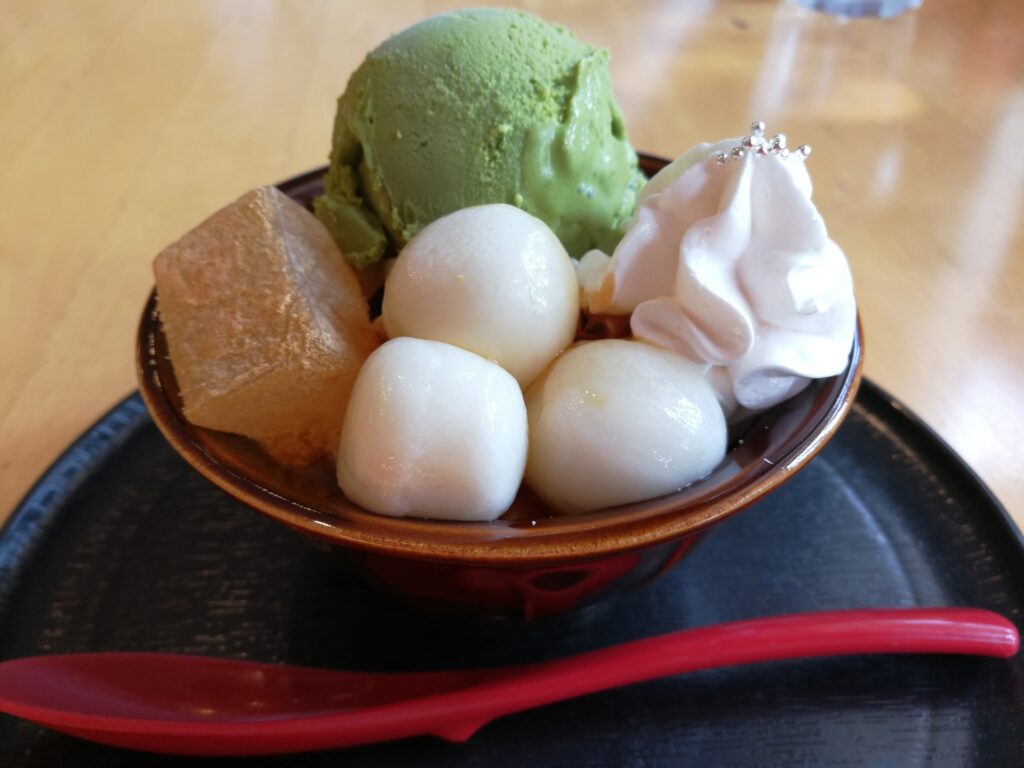
Mochi changes its “outfit” with the seasons, making it a constant focal point of the Japanese calendar. In the spring, sakura mochi appears, tinted pink and wrapped in a salty pickled cherry leaf to celebrate the blossoms. In the winter, toasted kirimochi is added to ozoni soup to bring luck for the coming year. For the curious traveler or food lover, tracking these seasonal variations offers a delicious map of Japan’s deep connection to the natural world.