
A Mirror to the Heavens: The Geometry of Perfection
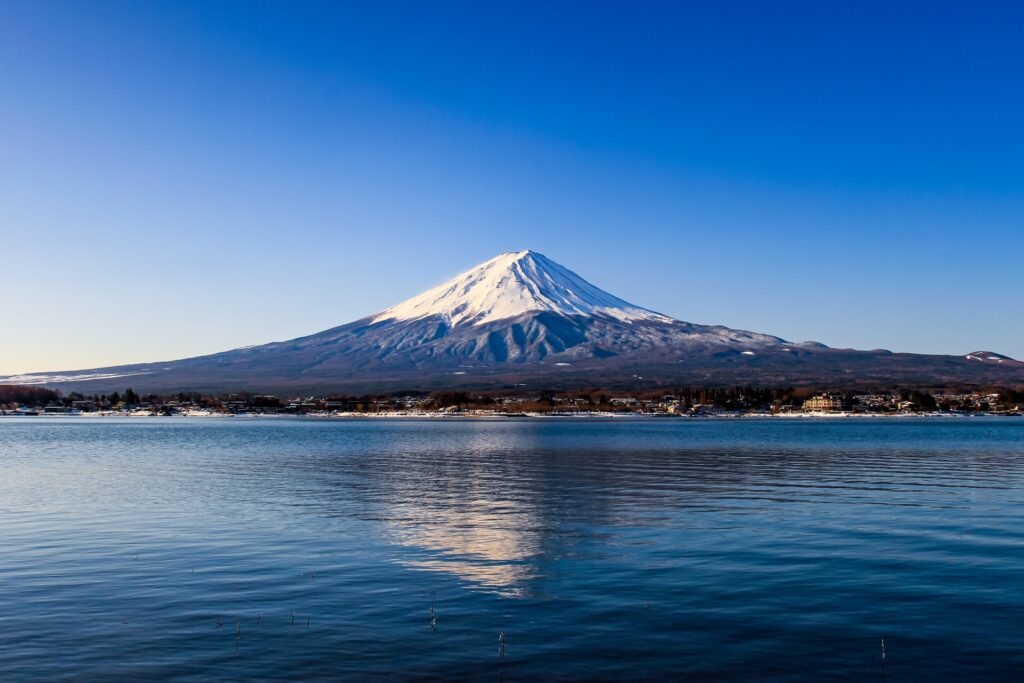
Mount Fuji is often described as the most perfectly shaped volcano in the world. Its symmetrical cone, rising in solitary grandeur above the surrounding landscape, has defined the Japanese aesthetic for over a thousand years. Unlike many mountain ranges that require a long trek just to see their peaks, Fuji stands as a lone sentinel, visible from as far as Tokyo on a clear winter morning. This accessibility and visual purity have made it not just a geographic landmark, but a symbol of the ideal—a physical manifestation of harmony between the earth and the sky.
The Forbidden Summit: A Mountain of Gods and Goddesses
For centuries, Mount Fuji was not a destination for tourists, but a sacred realm where humans were barely permitted to tread. It was believed to be the home of powerful deities, most notably the goddess Konohana Sakuya-hime, the “Princess of the Flowering Trees.” Because of its spiritual intensity, women were strictly forbidden from climbing the mountain until 1868, as it was thought their presence might disturb the sacred energy. Today, the summit still houses a shrine that legally owns the top section of the mountain—a rare instance where the peak of a nation’s highest point is privately held by a religious institution rather than the state.
The Quest for Immortality: The Bamboo Cutter’s Legacy
The name “Fuji” itself is shrouded in mystery, with many scholars linking it to the Japanese word for “immortality” (fushi). This connection stems from Japan’s oldest folk tale, The Tale of the Bamboo Cutter. In the legend’s climax, the moon princess Kaguya leaves behind an elixir of life before returning to the heavens. The Emperor, unable to bear a life without her, ordered the elixir to be burned at the summit of the mountain closest to the sky. Legend says the smoke from that fire can still be seen rising from the crater today, cementing Fuji’s reputation as a bridge between the mortal world and the eternal.
A Muse for the West: From Hokusai to Debussy
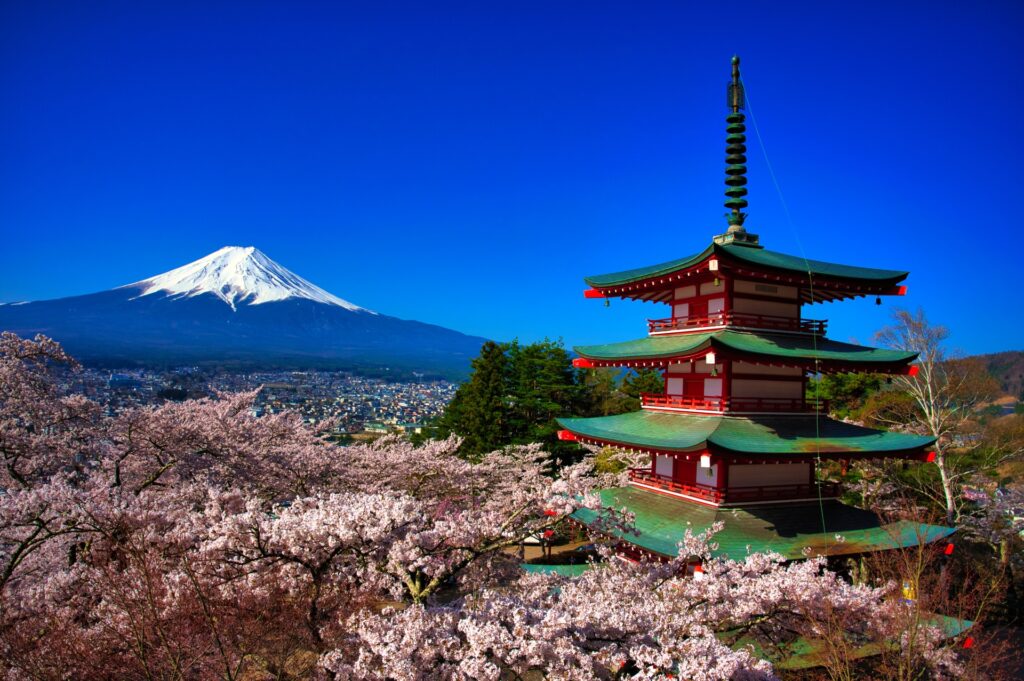
While Fuji is a Japanese icon, its influence has rippled across the globe. Katsushika Hokusai’s “Great Wave off Kanagawa,” where the mountain sits tiny and steadfast in the background of a churning sea, is perhaps the most famous image in Asian art history. When these woodblock prints reached Europe in the 19th century, they sparked the “Japonisme” movement, influencing masters like Vincent van Gogh and Claude Monet. Even the French composer Claude Debussy was so moved by Hokusai’s Fuji that he chose a version of the artwork for the cover of his orchestral masterpiece, La Mer.
The Active Giant: A Sleeping Beauty
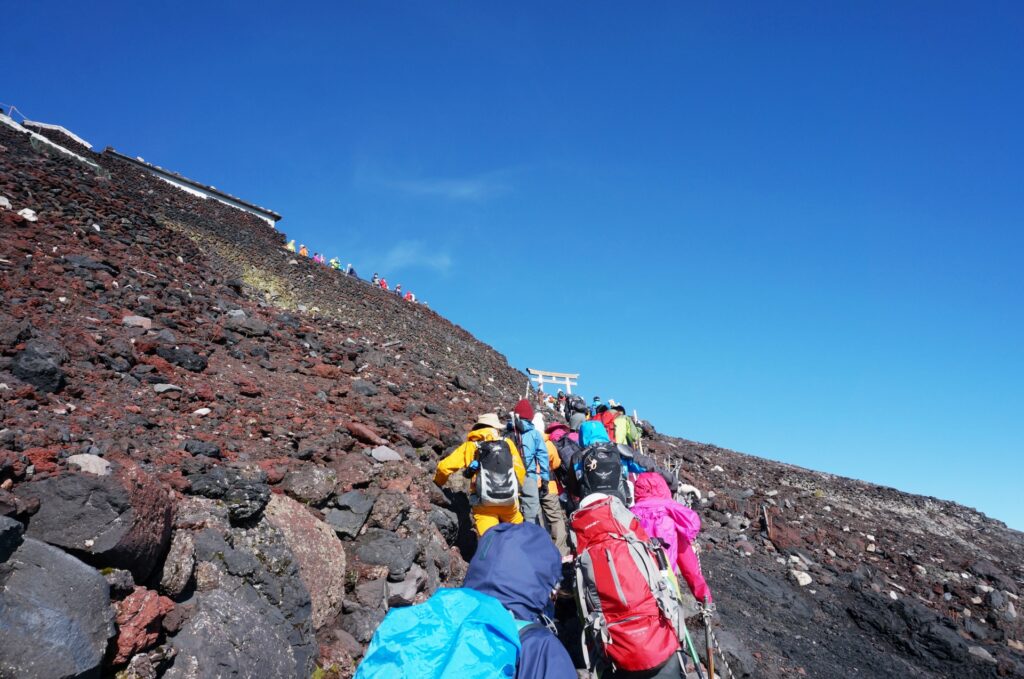
Despite its serene appearance in photographs, Mount Fuji remains a stratovolcano—an active one. It last erupted in 1707 during the Hoei era, an event so powerful that volcanic ash rained down on Tokyo (then Edo) for weeks. Geologically, it is actually composed of three separate volcanoes layered on top of one another: Komitake at the base, Kofuji in the middle, and the current Fuji at the top. This layered history serves as a reminder that the “perfect” mountain is the result of thousands of years of violent transformation, a metaphor for the Japanese concept of beauty found within resilience.