
The Tiny Titan of Nutrition
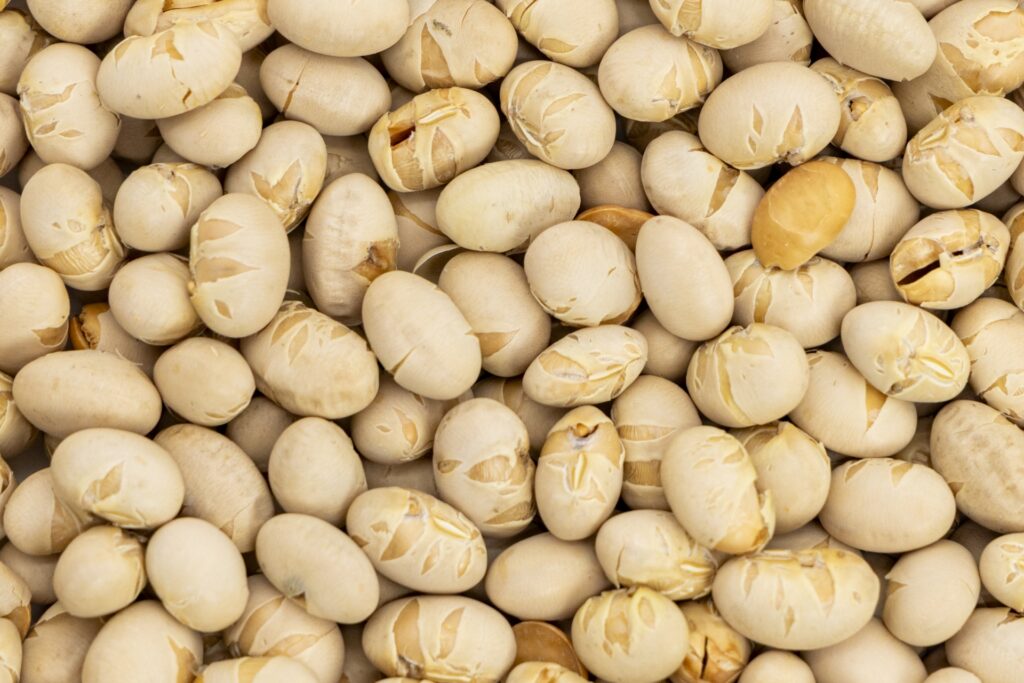
At first glance, a dried soybean looks unremarkable—small, hard, and beige. However, in Japan, this “meat of the field” is revered as a nutritional powerhouse. Packed with high-quality protein, fiber, and essential minerals, the soybean has been the silent engine behind Japanese longevity for centuries. It is not merely an ingredient; it is a cultural pillar that demonstrates how a single plant can be transformed into an entire spectrum of textures and tastes.
Liquid Gold and Umami Essence
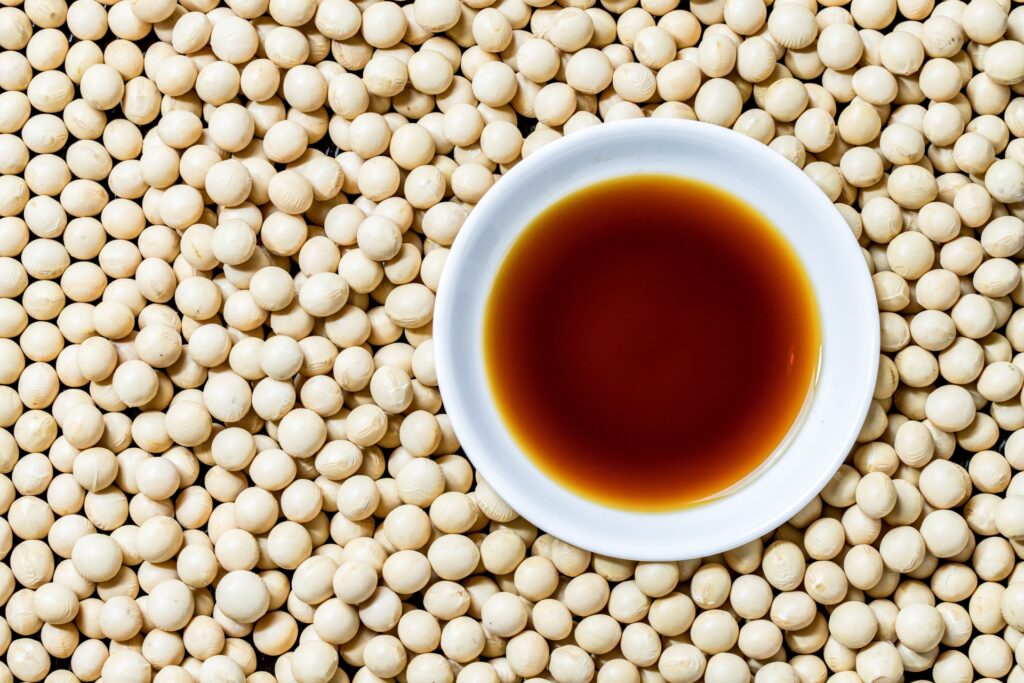
Perhaps the most famous transformation of the soybean is Shoyu (soy sauce). Through a patient process of fermentation involving wheat and koji mold, the protein in the beans breaks down into rich, savory amino acids. This “liquid umami” is what gives Japanese cuisine its soul. Alongside it sits Miso, the fermented soybean paste that serves as the base for the ubiquitous morning soup. Ranging from sweet and white to salty and dark red, miso is a living food, teeming with probiotics that support gut health.
The Art of Texture: From Silken to Stringy
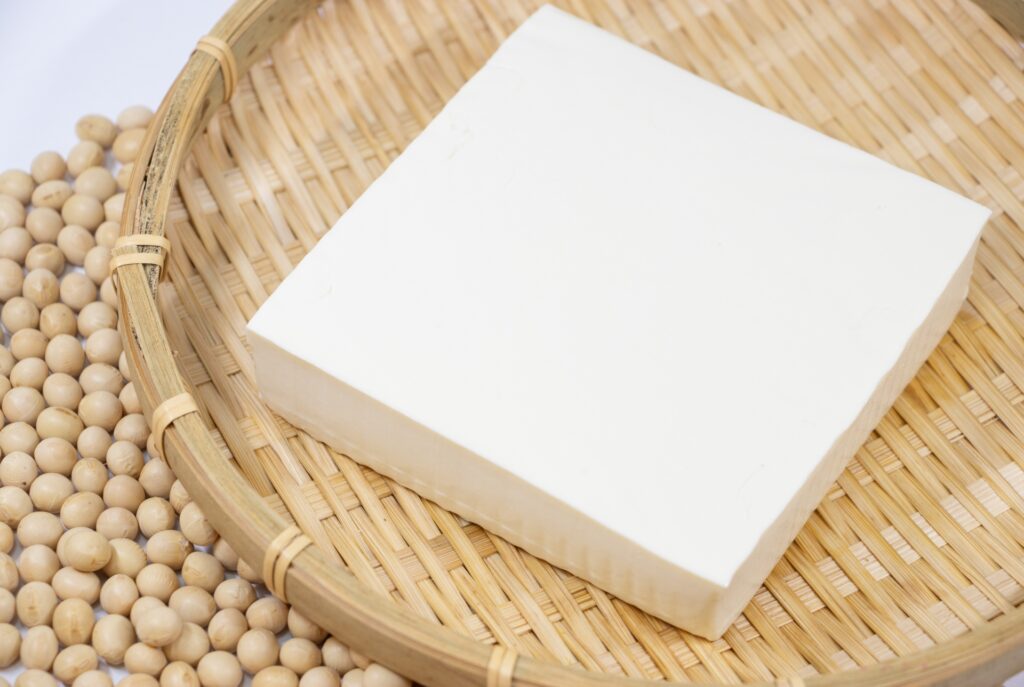
For those seeking a meat alternative, Tofu is the ultimate chameleon. By curdling soy milk, craftsmen create everything from “Kinugoshi” (silken tofu) that melts like custard to “Atsu-age” (deep-fried tofu) with a hearty, chewy exterior. Then, there is Natto—perhaps the most polarizing yet fascinating soy product. These fermented, “stringy” beans are famous for their pungent aroma and sticky texture. While an acquired taste for some, it is celebrated as a superfood containing Nattokinase, an enzyme unique to this dish that promotes heart health.
The Hidden Delicacies
The versatility of the soybean extends even to its “by-products.” When soy milk is boiled, a thin film forms on the surface; this is Yuba (tofu skin), a delicate, creamy luxury often found in Kyoto’s high-end vegetarian cuisine. Even the pulp left over from making soy milk, known as Okara, is upcycled into nutritious side dishes, ensuring that no part of the “Golden Bean” goes to waste. From the refreshing crunch of Edamame (young green soybeans) shared over a cold beer to the sweet dust of Kinako (roasted soybean flour) atop mochi, the soybean is the undisputed protagonist of the Japanese table.