
A Gift from the Gods: The Agricultural Roots of Sakura
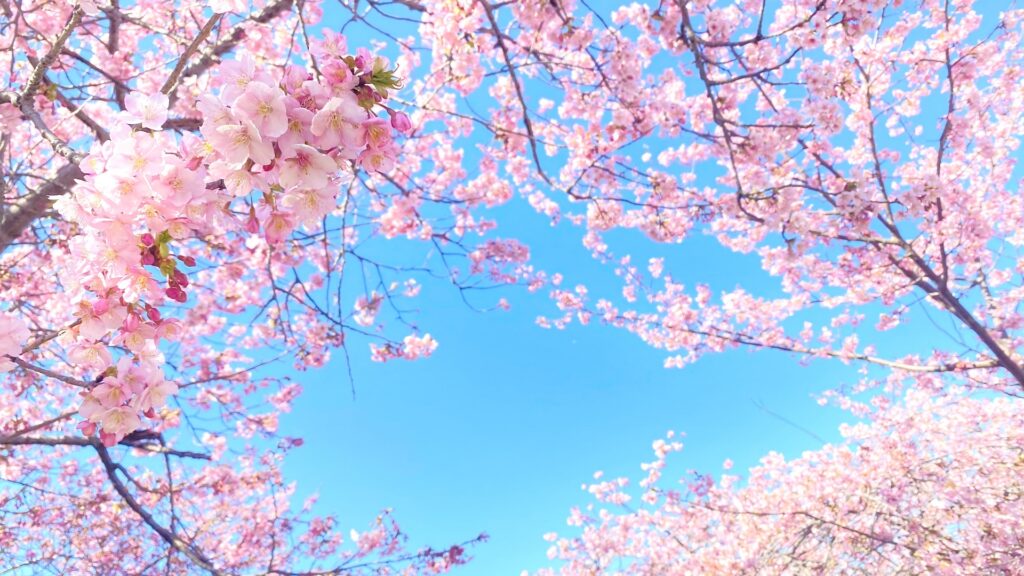
The history of the cherry blossom, or sakura, begins long before it became a symbol of aesthetic beauty. In ancient Japan, the blooming of these flowers was viewed as a sacred sign from the mountain deities. Farmers believed that the spirits of the rice fields resided within the trees. The timing of the blossoms served as a natural calendar, signaling the perfect moment to plant rice crops. This deep connection to the land and sustenance established the sakura as a harbinger of hope and new beginnings—a sentiment that remains at the heart of the season today.
From Aristocratic Elegance to Public Celebration
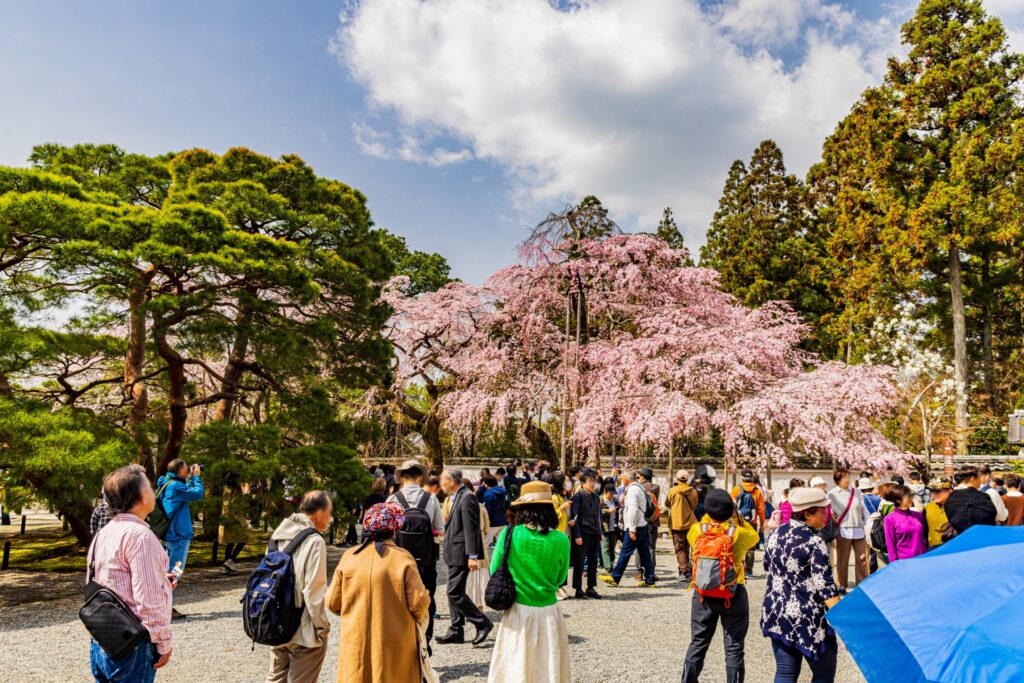
During the Nara and Heian periods (8th to 12th centuries), the tradition of hanami (flower viewing) emerged among the imperial court and elite nobility. While plum blossoms were originally the favorite, the cherry blossom eventually captured the hearts of the Japanese aristocracy, inspiring centuries of poetry and art. It wasn’t until the Edo period that this exclusive pastime spread to the common people. Shoguns ordered the planting of cherry trees in public spaces and along riversides, transforming a private ritual into a nationwide festival of food, sake, and communal joy.
The Beauty of Impermanence: The Philosophy of Mono no Aware
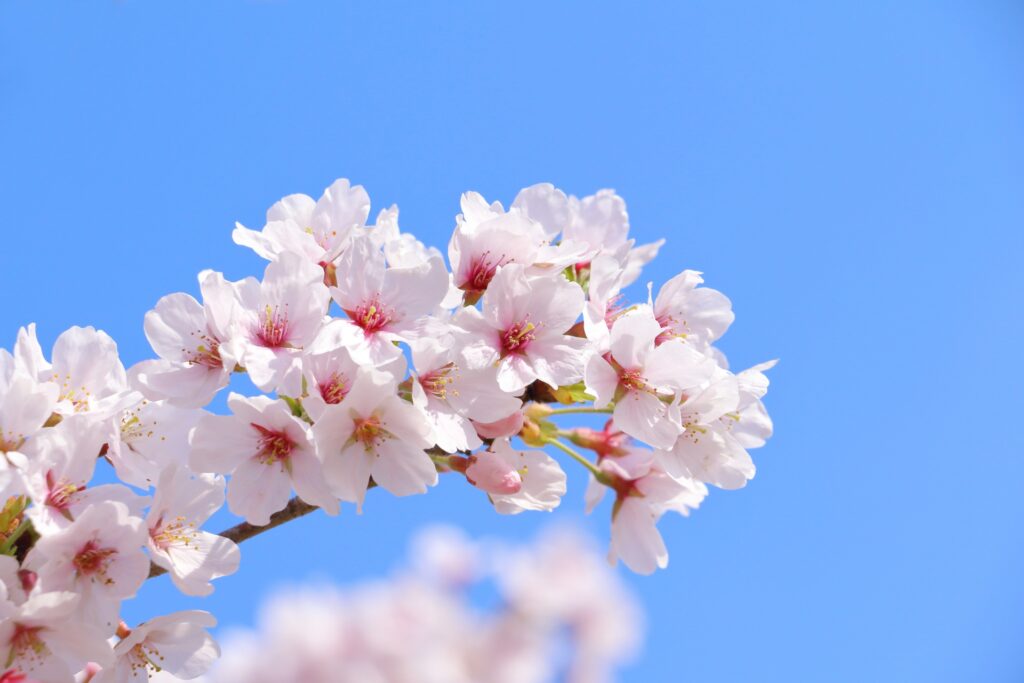
For many international observers, the appeal of the sakura lies in its visual splendor, but for the Japanese, its true power resides in its fragility. The flowers bloom brilliantly for only about a week before fluttering to the ground in a “blossom blizzard” (sakura fubuki). This ephemeral nature embodies the Buddhist concept of mono no aware—a bittersweet appreciation of the transience of life. The sakura reminds observers that beauty is precious precisely because it does not last, encouraging a mindful appreciation of the present moment.
A Modern Symbol of Shared Beginnings
In contemporary Japan, the sakura season coincides with the start of the fiscal and academic year in April. This alignment reinforces the flower’s status as a symbol of transition and fresh starts. For students entering new schools or graduates starting their first jobs, the falling petals represent both a farewell to the past and an invitation to the future. Today, this cultural phenomenon invites the entire world to pause and witness a landscape transformed into a sea of pink, bridging the gap between ancient tradition and the pulse of modern life.