The Beacon of the Night
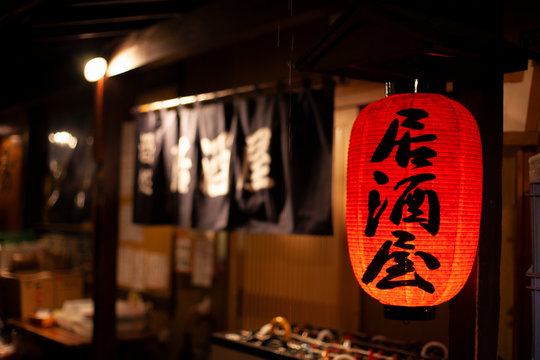
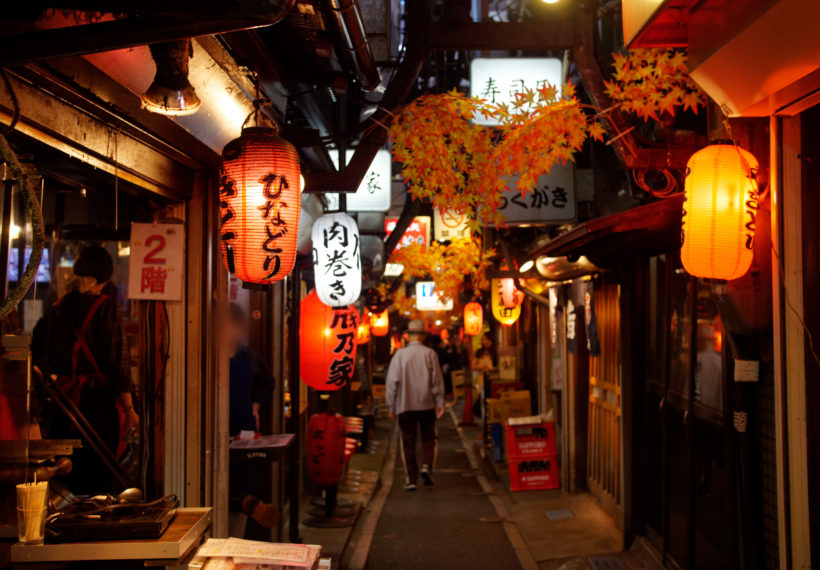
As twilight settles over the neon-drenched streets of Tokyo or the quiet alleys of Kyoto, a transformation occurs. Red paper lanterns, known as akachochin, flicker to life, signaling the opening of a portal. The Izakaya is not a pub, nor is it a restaurant in the Western sense; it is a liminal space. Here, the rigid hierarchies of Japanese society—the strict boundaries between boss and subordinate, the public face (tatemae) and the private heart (honne)—begin to soften under the warm glow of the lantern.
A Symphony of Small Plates
At the heart of the Izakaya experience is the philosophy of osake no ate—dishes designed specifically to complement the drink. Unlike a formal meal where a single main course dominates, the Izakaya table is an evolving landscape of small plates. From the humble salt-dusted edamame to the smoke-kissed char of yakitori, the food is communal and rhythmic. It encourages a lingering pace, where the act of sharing a plate of sashimi becomes a silent bridge for conversation, turning a simple dinner into a collective ritual.
The Democracy of the Counter
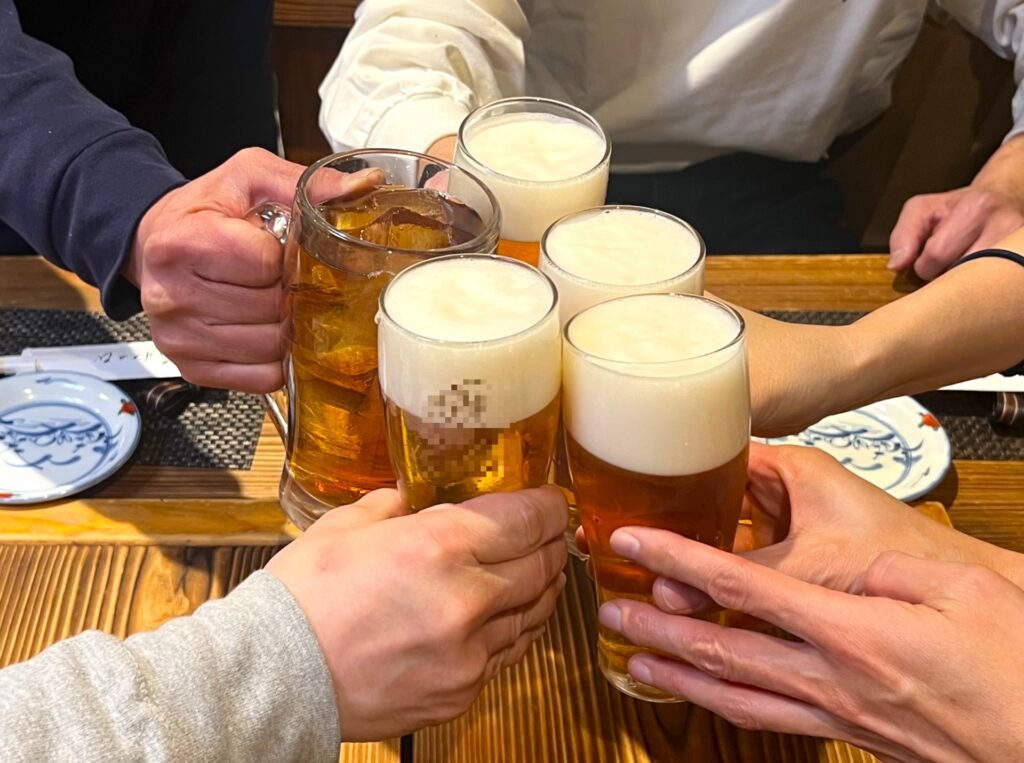
Perhaps the most profound element of the Izakaya is the wooden counter. In a culture that often prizes formality, the counter serves as a rare stage for spontaneous human connection. Seated shoulder-to-shoulder, the “salaryman,” the artist, and the traveler become equals. Within this “Third Place”—a realm existing between the pressures of work and the responsibilities of home—the clinking of glasses (the kanpai) acts as a social equalizer. It is here that the true pulse of Japanese urban life can be felt, unscripted and raw.
The Art of the Unspoken
To enter an Izakaya is to participate in an ancient form of social healing. The ambient noise, the shouting of Irasshaimase! (Welcome!), and the sizzle of the grill create a “white noise” that allows for intimate truths to be told. It is a sanctuary for emotional release, where laughter is louder and the heavy silence of the office is finally broken. In the steam of the stew and the chill of the beer, one finds the essential Japan: a place where the soul comes to breathe before the morning sun resets the world.