
In the modern world, martial arts are often viewed through the lens of physical confrontation or cinematic spectacle. However, the Japanese tradition of Budo (武道) represents something far deeper. The character Bu (武) carries the ancient meaning of “stopping the spear,” suggesting that the ultimate goal of the warrior is not to initiate conflict, but to preserve peace. Budo is not merely a method of fighting; it is a “Way” of living—a lifelong pursuit of refining the character through the rigors of physical and mental training.
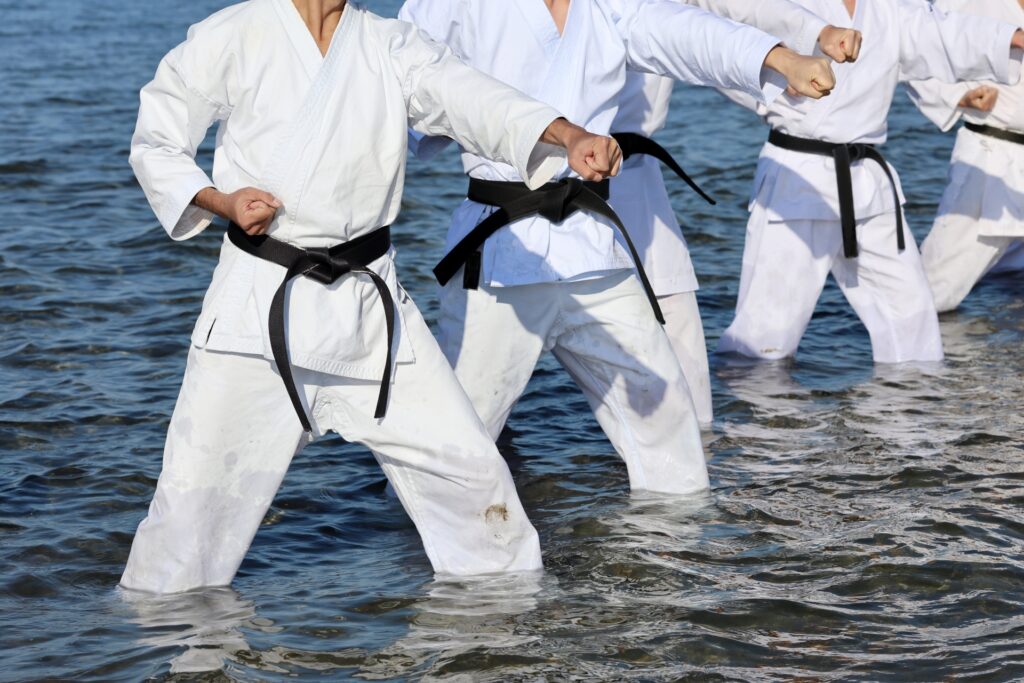
The dojo is a mirror that reflects the true self
In Budo, the training hall, or Dojo, is regarded as a sacred space for transformation. Whether practicing Judo (the Gentle Way) or Karate-do (the Way of the Empty Hand), the practitioner begins and ends every session with a bow. This ritual of Rei (etiquette) is not a hollow formality, but a manifestation of mutual respect and humility. In the heat of practice, the opponent becomes a partner who helps reveal one’s own weaknesses. The true struggle in Budo is never against another person, but against one’s own ego, fear, and lack of discipline.
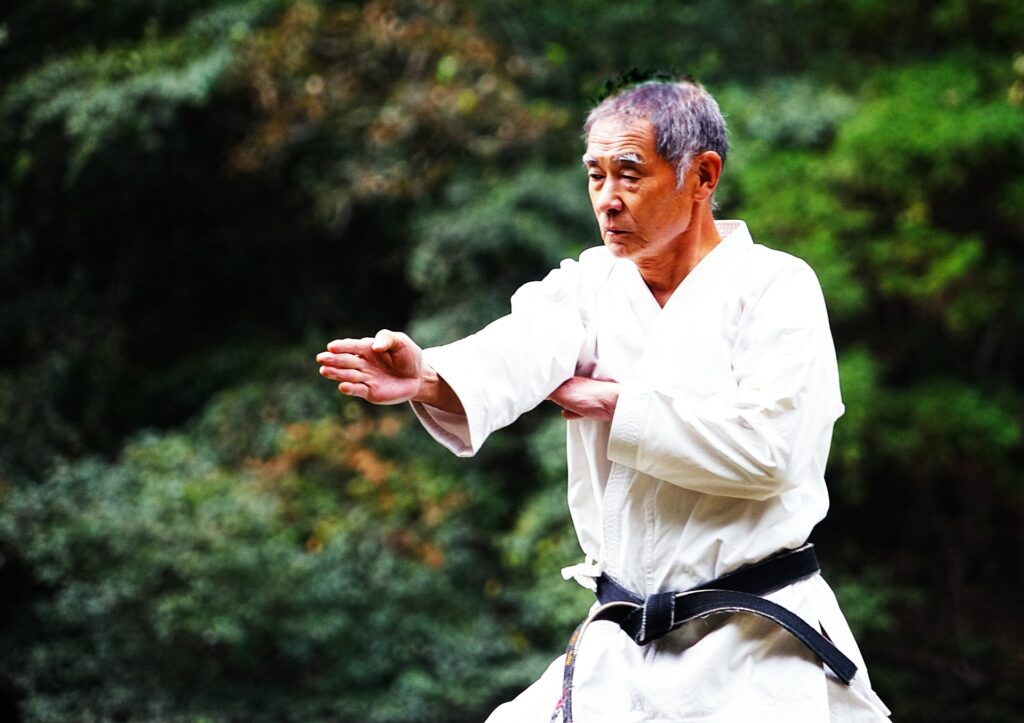
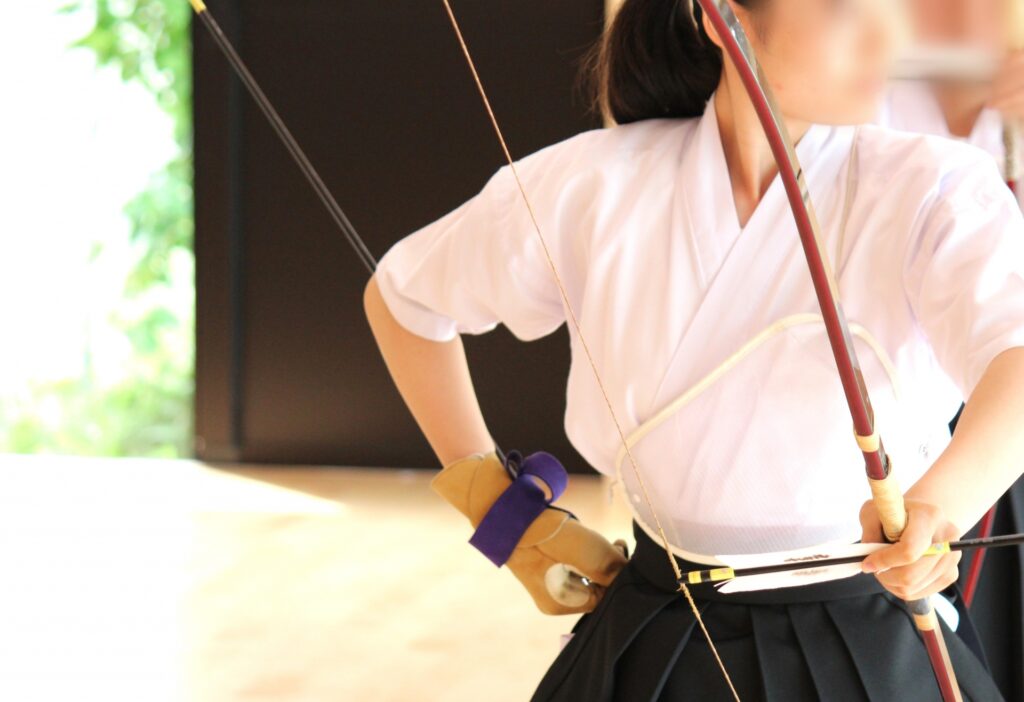
The sword and the bow become extensions of the spirit
While Judo and Karate focus on the body, arts like Kendo (the Way of the Sword) and Kyudo (the Way of the Bow) introduce tools that demand a higher level of concentration. In Kendo, the bamboo sword is treated with the same reverence as a soul-forged blade, requiring the practitioner to achieve Ki-Ken-Tai-Ichi—the unification of spirit, sword, and body. Similarly, in Kyudo, the act of shooting an arrow is a form of standing meditation. The goal is not merely to hit the wooden target, but to achieve a state of “right shooting,” where the release of the arrow is as natural and inevitable as a drop of dew falling from a leaf.
Black belts are earned through the mastery of the mundane
A common fascination for many outside of Japan is the “Black Belt.” Yet, in the world of Budo, a black belt does not signify the end of a journey, but rather a new beginning. It marks the point where the basics have been mastered so thoroughly they become instinctive. This level of mastery is achieved through Kata (form)—the repetitive practice of specific movements. By performing the same strike or throw thousands of times, the practitioner moves beyond conscious thought. This leads to the state of Mushin (no-mind), a mental clarity where the body reacts spontaneously to the flow of the moment.
The path of the warrior leads to a heart of compassion
The paradox of Budo is that the more one learns about the capacity for violence, the more one becomes committed to peace. A practitioner of Aikido, for example, seeks to neutralize an attack by redirecting the opponent’s energy, protecting both themselves and the aggressor from harm. This philosophy of non-resistance teaches that true strength lies in flexibility and harmony rather than brute force. The discipline cultivated on the mat translates into a calm and resilient spirit capable of navigating the stresses of daily life with grace.
A timeless discipline for a distracted age
In an era dominated by digital distractions and fragmented attention, the principles of Budo offer a sanctuary of focus. It teaches that greatness is not found in a single moment of victory, but in the quiet, persistent effort to better oneself every day. To walk the path of Budo is to accept that the journey of self-improvement has no final destination. It is an invitation to step onto the mat of life with a clear mind, a humble heart, and the courage to face whatever challenges may arise.