
Exploring the timeless ethics of the Samurai and their enduring influence on contemporary etiquette and business.
In the quiet discipline of a Japanese boardroom, or the precise bow of a shopkeeper, there exists an invisible thread connecting the present to a distant, martial past. This thread is Bushido—the “Way of the Warrior.” While the age of the Samurai ended over a century ago, the ethical marrow of their existence remains the silent architect of Japanese social conduct and professional integrity.
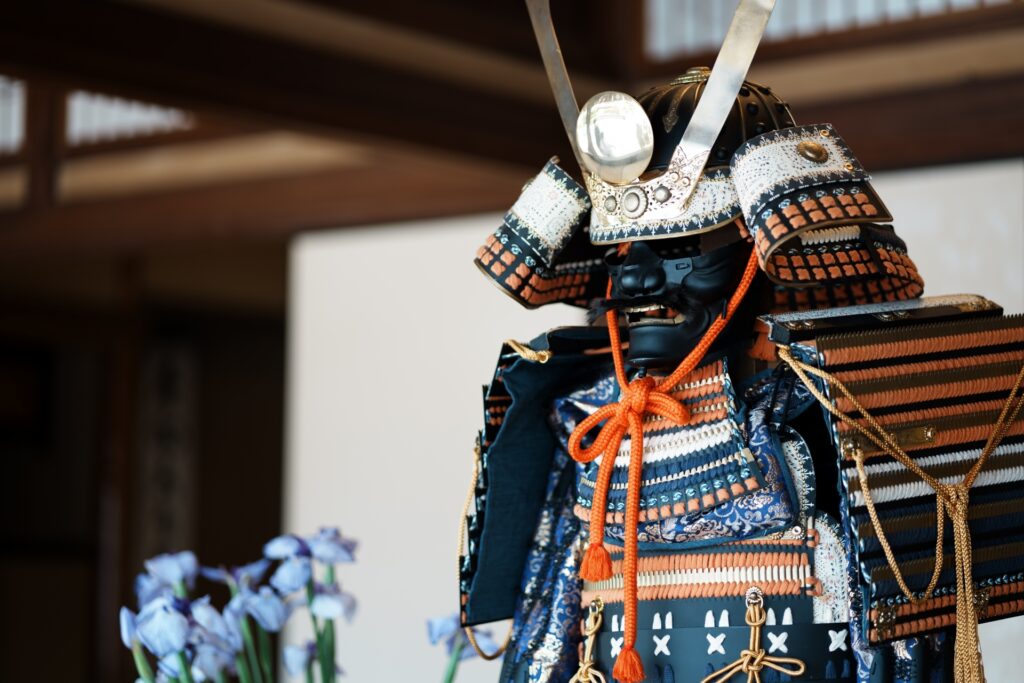
The Seven Virtues of the Sword
Bushido was never a written law, but a code of the heart. It was built upon a foundation of seven primary virtues: Gi (Rectitude), Yu (Courage), Jin (Benevolence), Rei (Respect), Makoto (Honesty), Meiyo (Honor), and Chugi (Loyalty).
To the Samurai, a life without these virtues was a life without meaning. Rectitude demanded the power of deciding upon a certain course of conduct in accordance with reason, without wavering. Respect was not merely an act of politeness, but an outward expression of a deep-seated regard for the feelings and positions of others. These were not lifestyle choices; they were the essential requirements of a noble soul.
From the Battlefield to the Boardroom
The transition of Bushido from military tactics to civilian life occurred during the long peace of the Edo period. As the need for physical combat diminished, the Samurai’s discipline was redirected toward scholarship, calligraphy, and administration. The sword remained in its scabbard, but the spirit remained sharp.
In modern Japan, this legacy manifests most clearly in the concept of Kei (Respect) and Giri (Social Obligation). The meticulous attention to detail in Japanese craftsmanship—Monozukuri—is a direct descendant of the Samurai’s pursuit of perfection. In business, the unwavering loyalty to the collective over the individual reflects the ancient bond between a warrior and his lord. When a professional bows deeply to acknowledge a mistake, it is a modern echo of the Samurai’s profound sense of accountability and honor.
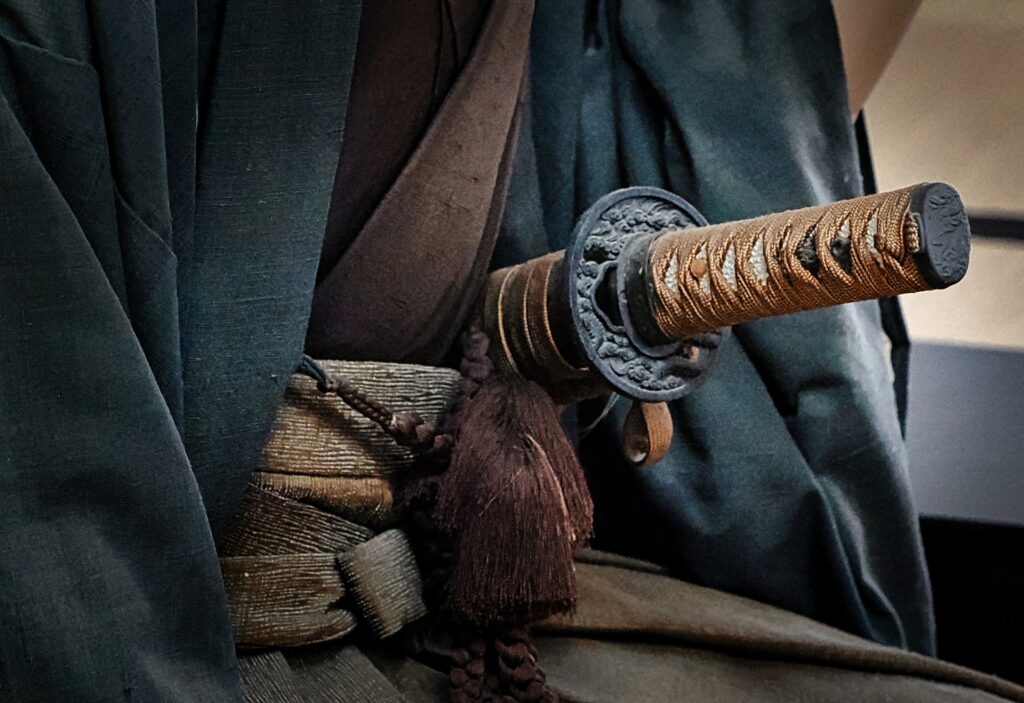
Resilience and the Unseen Spirit
Perhaps the most enduring element of Bushido is the concept of Fudoshin, or the “immovable mind.” It is the ability to remain calm and centered amidst chaos. In an era of rapid technological change and global instability, this stoic resilience continues to define the Japanese character. It is a quiet strength, one that values action over words and integrity over fame.
The Samurai as a class have vanished into history, but their shadow is long. Bushido remains a living philosophy—a reminder that true strength lies not in the conquest of others, but in the mastery of oneself. For the global observer, understanding Bushido is the key to unlocking the quiet dignity and disciplined grace that continues to define the heart of Japan.