
In the vibrant tapestry of Japan’s performing arts, there exists a unique form that transcends mere puppetry, delving into the very essence of human emotion and storytelling. This is Bunraku, or Ningyo Jōruri, the traditional Japanese puppet theater that has captivated audiences for centuries. Far from children’s entertainment, Bunraku is a sophisticated art form where intricately crafted puppets achieve a profound level of lifelike expression, guided by visible yet unseen masters.
The Trio of Masters: An Unseen Symphony
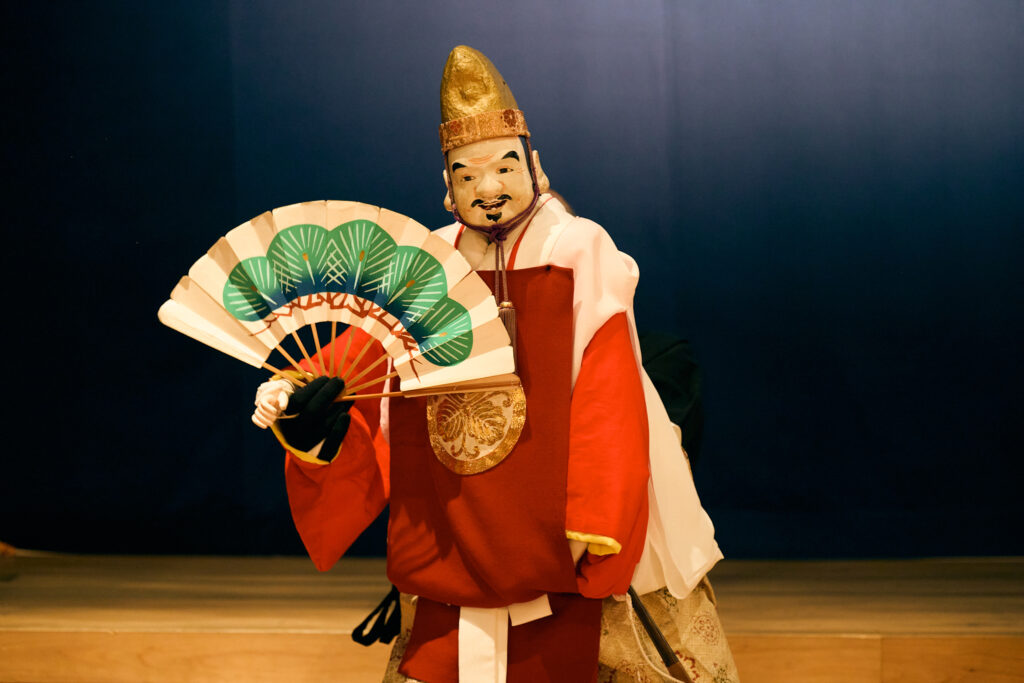
What immediately strikes a Western audience about Bunraku is its unconventional presentation. Each major puppet is operated by three puppeteers, all visible on stage, yet through a remarkable feat of staging and focus, they effectively disappear into the narrative.
These three individuals, often taking decades to master their respective roles, move as one, their collective effort creating a seamless illusion of a living, breathing character. It is a powerful metaphor for collaboration and dedication to an art form.
The Narrator and Musician: The Voice of Emotion
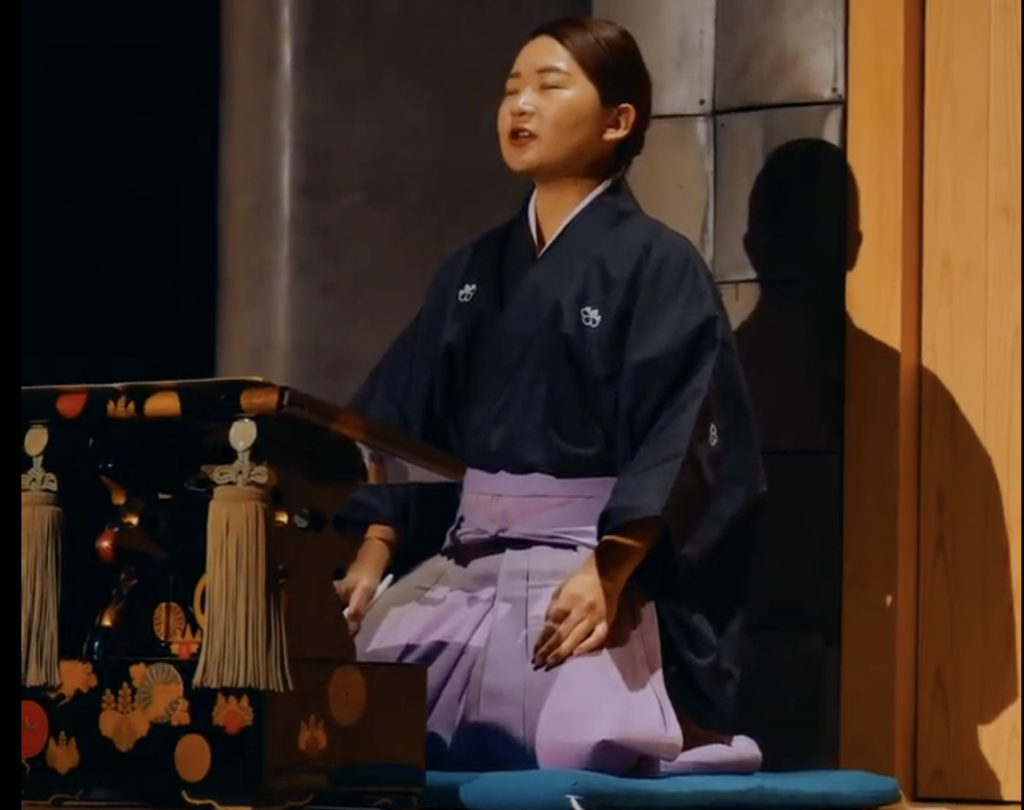
Equally crucial to Bunraku’s magic is the Tayu, the narrator. Seated to the side of the stage, the Tayu performs all the voices of the characters—male and female, young and old—as well as narrating the plot and expressing the characters’ inner thoughts and emotions. This demanding role requires incredible vocal range, emotional depth, and stamina, often taking years of intense training.
Accompanying the Tayu is the Shamisen player, whose powerful string melodies set the mood, heighten dramatic tension, and underscore emotional nuances. The interplay between the Tayu and Shamisen player is a dynamic dialogue, driving the story forward and immersing the audience in the world of the play.
Intricate Puppets: Miniatures of Humanity
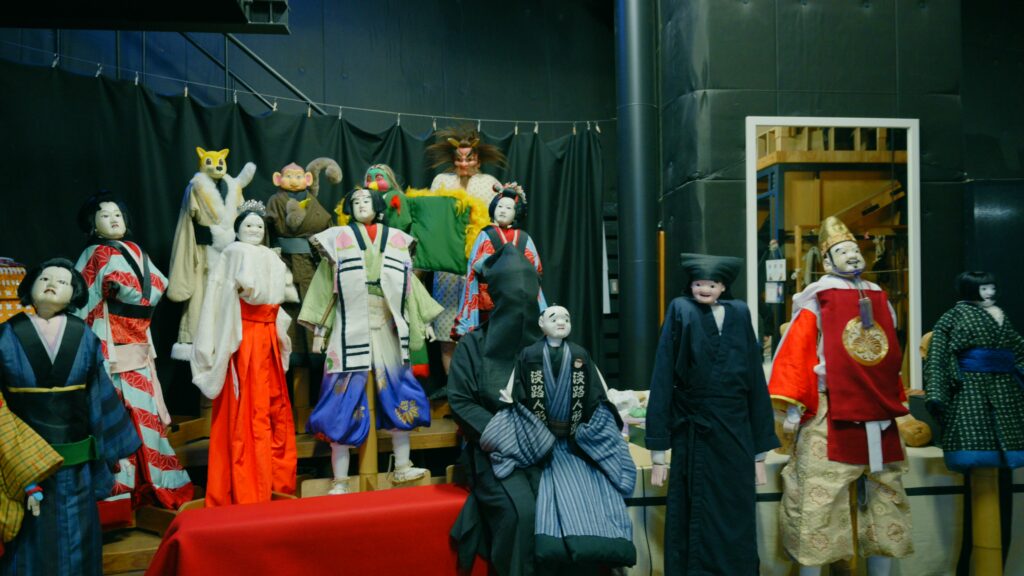
The puppets themselves are masterpieces of craftsmanship. Ranging from half to two-thirds human size, they are not simple toys but complex mechanisms, often with movable eyebrows, eyes, mouths, and even hands. Their costumes are exquisite, reflecting the social status and personality of the character.
These puppets, sometimes called ningyo (人形), are imbued with such detail and potential for expression that audiences quickly forget they are not human actors. They become true vessels for the human condition, depicting epic samurai battles, tragic love stories, and poignant domestic dramas.
Themes that Resonate Across Cultures
Bunraku plays often explore universal themes such as:
These powerful narratives, combined with the unique artistry, create an experience that transcends language barriers and cultural differences, speaking directly to the human heart.
A Living Legacy
Bunraku is more than just a historical artifact; it is a living, evolving art form that continues to captivate new generations. Witnessing a Bunraku performance is not just watching a play; it is an encounter with a profound tradition where silent figures speak volumes, and unseen hands reveal the very soul of humanity. It is an invitation to look beyond the obvious and discover the deep magic woven into every gesture, every note, and every narrated word.