
For centuries, the temple lodgings known as Shukubo were reserved for wandering ascetics and devout pilgrims. Today, these sacred spaces open their heavy timber gates to the world, offering a rare sanctuary from the relentless pace of modern existence. To stay in a Shukubo is not to check into a hotel, but to step into a living rhythm that has remained unchanged for a millennium.
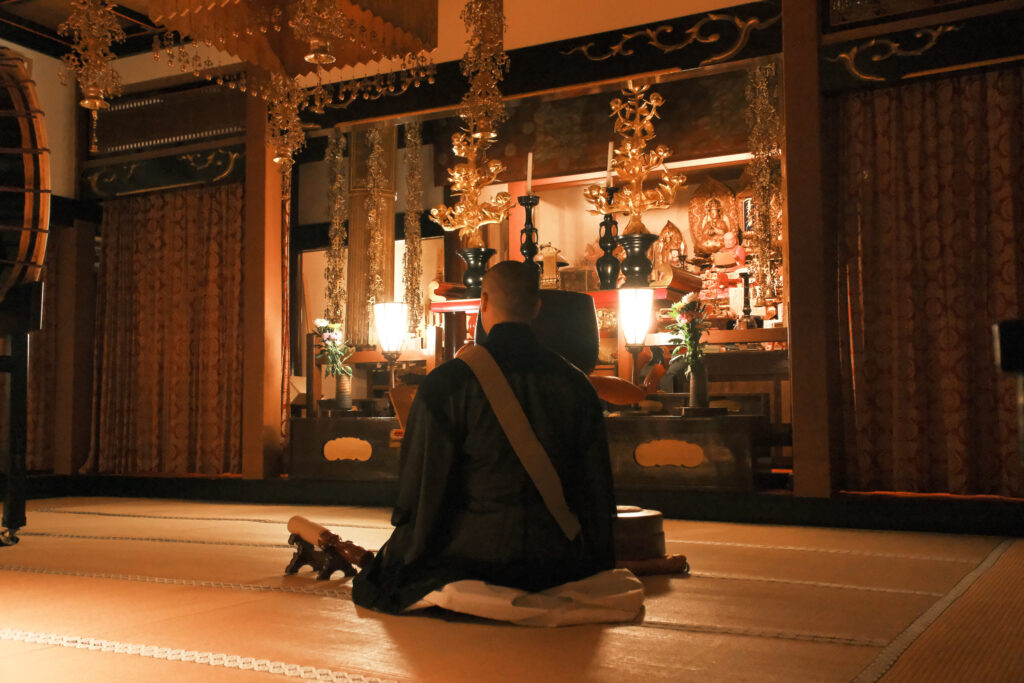
The Architecture of Silence
The experience begins with the sensory shift of the environment. Guests are greeted not by the hum of machinery, but by the scent of aged cedar and fresh tatami mats. The sliding shoji paper doors do not block out the world; they filter the sunlight into a soft, ethereal glow, inviting the mind to settle. In the absence of televisions and heavy furniture, the minimalist space highlights the subtle beauty of a single scroll or a seasonal flower in the alcove.
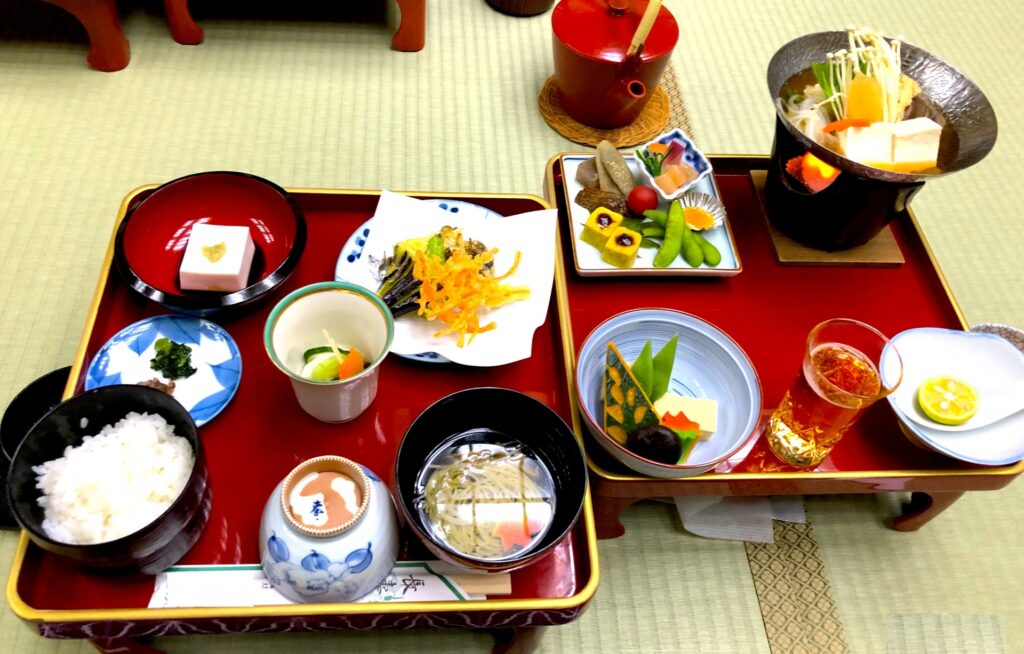
Shojin Ryori: The Alchemy of Plants
A cornerstone of the Shukubo stay is Shojin Ryori, the traditional Buddhist vegetarian cuisine. Guided by the principle of ahimsa (non-violence), these meals are a masterclass in seasonal harmony.
Awakening with the Sun
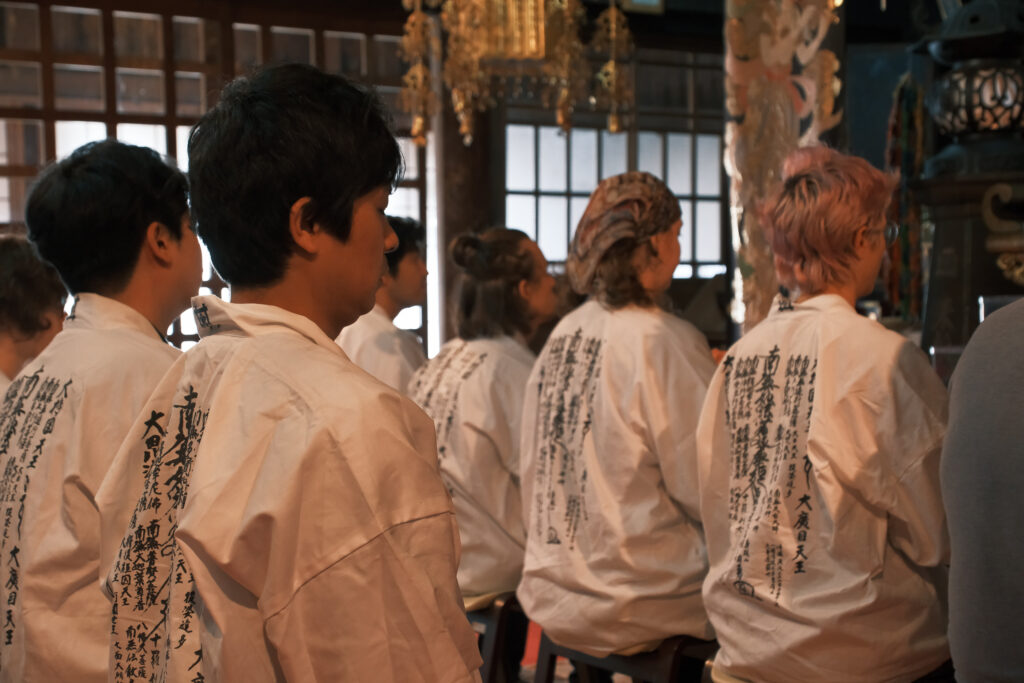
The true essence of Shukubo is found in the pre-dawn stillness. As the mountain mist clings to the eaves, the rhythmic sound of a wooden mokugyo drum summons guests to the morning ceremony. Participating in Zazen (seated meditation) or listening to the resonant chanting of sutras offers a moment of profound clarity. It is a practice not of adding something new to one’s life, but of stripping away the unnecessary until only the core remains.
A Return to the Self
As travelers leave the temple grounds, they carry more than just memories. They take with them a piece of the stillness—a reminder that luxury is not found in excess, but in the space between breaths.