
A Tradition Born in the Mist
In the highest echelon of Japanese gastronomy, there exists a soup not merely of flavor, but of deep, ancestral force. This is Suppon—the Japanese soft-shell turtle. To the uninitiated, its appearance might be intimidating, its texture unfamiliar. Yet, Suppon is the centerpiece of a cuisine that dates back centuries, once reserved solely for nobility and the imperial court. It is a tradition born from a profound understanding of nutritional alchemy, where the seemingly primitive becomes the peak of culinary sophistication.

The Clear Consommé of the Void
The essence of Suppon is its broth, or maru-nabe. This clear, golden consommé is a study in Japanese subtraction. While rich in complex, savory amino acids, it contains no aggressive cloudiness. It is the result of meticulous preparation—removing every trace of blood and internal moisture. In this broth, one finds the philosophical concept of Ma (the void). The flavor is intense, yet transparent, allowing the palate to appreciate the subtle, resilient texture of the meat and the silken collagen that defines the dish. It is less about adding flavor than revealing the pure, undying spirit of the animal.
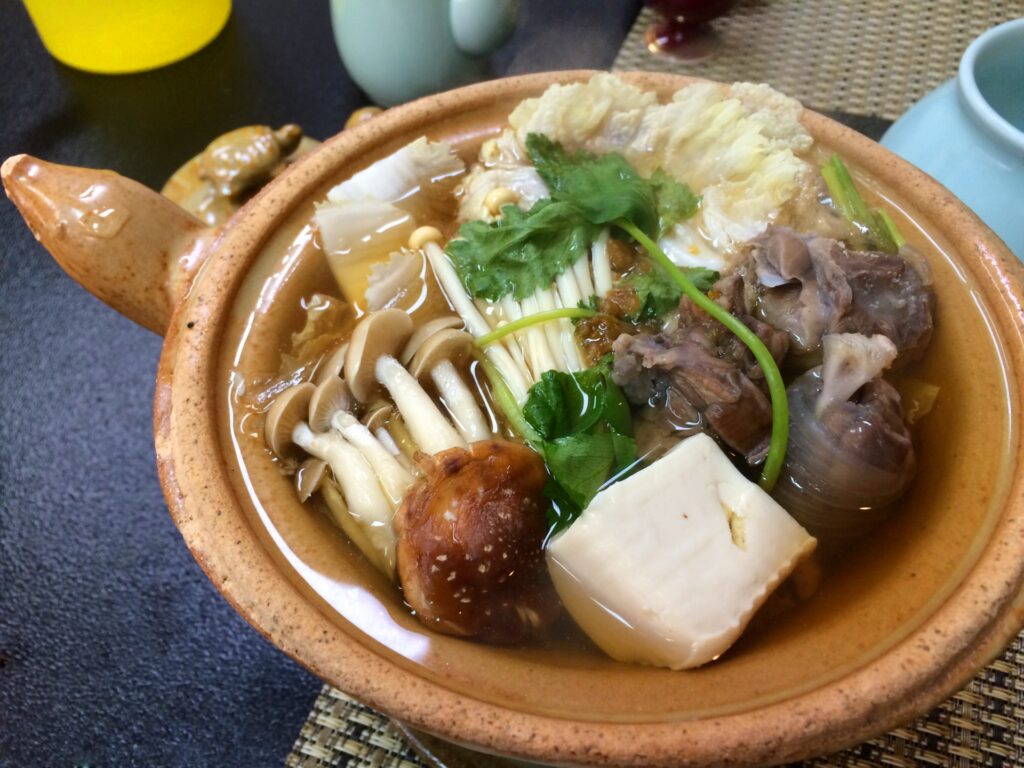
Vitality from the Earth
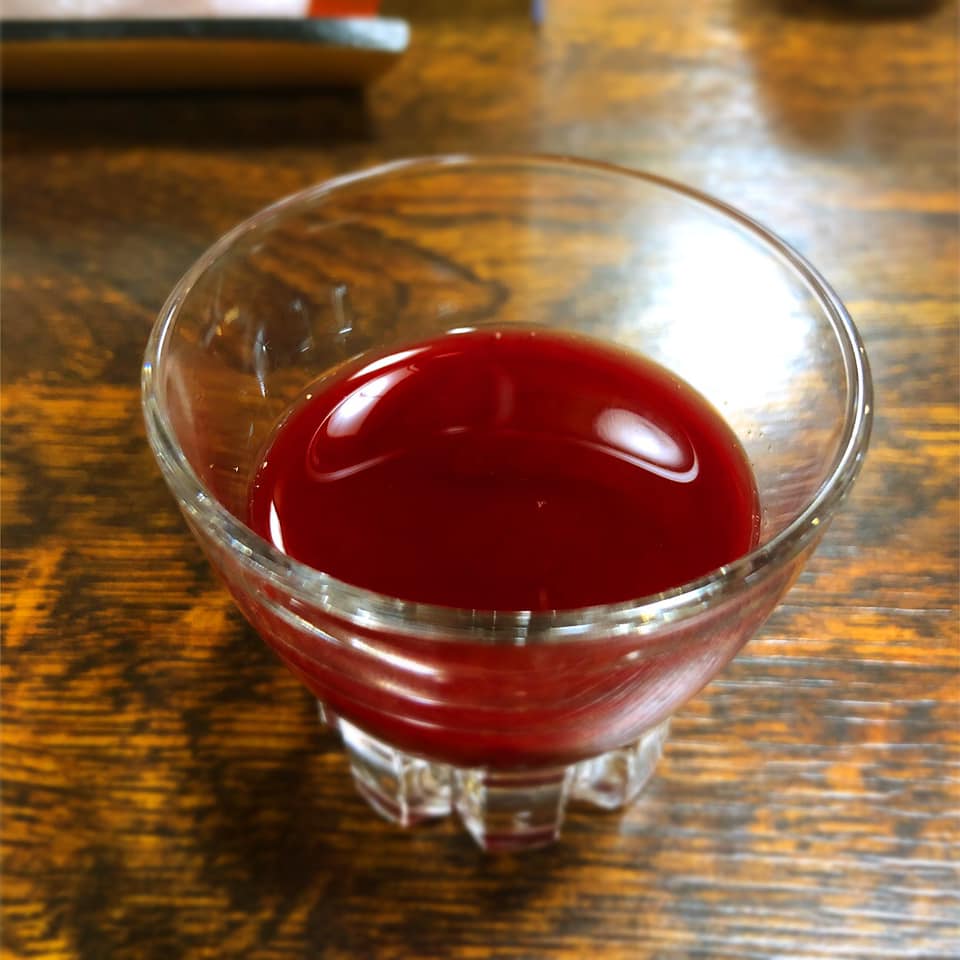
Historically, Suppon was not consumed for pleasure, but for its Nintai—its unwavering perseverance. The Suppon is a creature of immense stamina, capable of surviving harsh conditions for decades. It was believed that by consuming its flesh, and famously its blood (often served with sake), one could inherit this incredible vitality. Today, this tradition endures as the ultimate antidote to fatigue, particularly after long, grueling periods of work. It is considered a living, medicinal spring, proof that the Japanese view food not just as fuel, but as a transference of life-force.
The Aesthetics of Sincerity
Looking at the spread of a full Suppon Kaiseki (as seen in the provided image), one understands that every element is balanced with precise, sincere intent (Magokoro). The meal progresses as a narrative: perhaps a delicate Sashimi of the liver, followed by crispy Karaage (deep-fried Suppon), and culminating in the restorative Zosui (rice porridge) cooked in the final, intensified broth. This is a culinary philosophy that refuses waste. By utilizing every possible part of the animal, the chef transforms the act of eating into an elegant ceremony of gratitude, a physical reminder that true luxury lies in honoring the source of our life.