
In the fast-paced world of modern gastronomy, sweetness is often treated as a simple indulgence. However, in Japan, the traditional confectionery known as Wagashi tells a different story. These delicate creations, crafted from humble ingredients like azuki beans and rice flour, are not merely food; they are physical manifestations of the Japanese concept of Mono no aware—a deep sensitivity to the ephemeral beauty of life.
The Landscape on a Plate: A Mirror of the Micro-Seasons
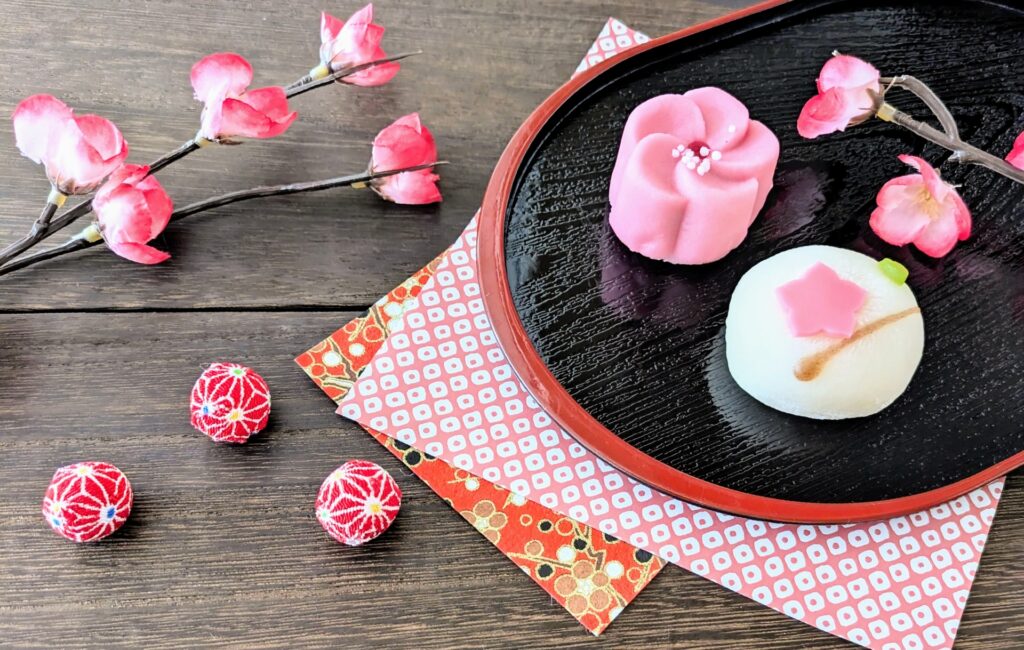
While the Western calendar is divided into four seasons, the Japanese tradition observes seventy-two “micro-seasons,” each lasting about five days. Wagashi is the culinary heartbeat of this calendar. A confectioner does not just make a sweet; they capture a precise moment in nature. In early spring, a Kinton sweet might mimic the first buds of plum blossoms peeking through the snow. By late autumn, it transforms into the scorched orange of a maple leaf. To eat a Wagashi is to consume a specific, unrepeatable moment in time, reminding the observer that nature never stands still.
The Five Senses Ritual: Beyond the Palate
A Wagashi is often described as “an art form for the five senses,” designed to be experienced with the entire body.
・Hearing: Each sweet carries a Gomei (poetic name). When the host announces the name, such as “Moon Over the Ripples,” it triggers a mental image, completing the aesthetic experience through language.
・Sight: The visual artistry evokes landscapes, poetry, and classical literature.
・Touch: The texture—from the supple silkiness of Uiro to the firm elegance of Yokan—is a tactile exploration.
・Smell: The scent is intentionally subtle, a faint whisper of autumn leaves or spring cherry blossoms that does not overwhelm.
・Taste: The sweetness is refined and gentle, specifically engineered to balance the astringent bitterness of stone-ground Matcha tea.
The Philosophy of the Tea Room: A Lesson in Presence
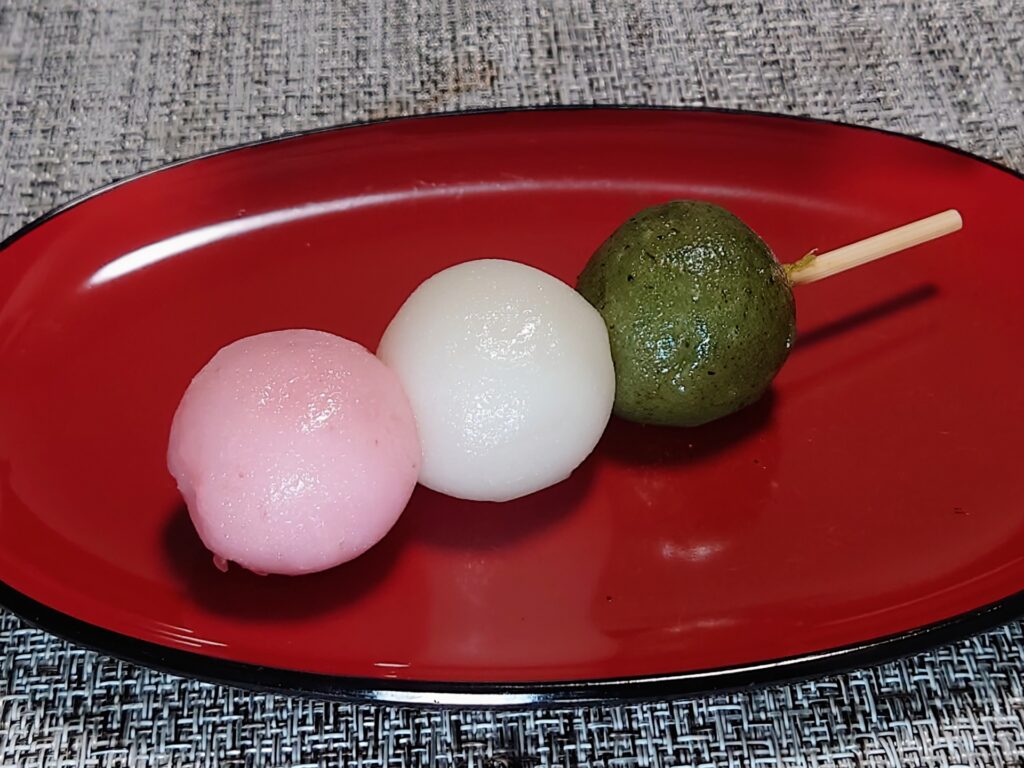
Wagashi reached its peak of refinement through the Japanese Tea Ceremony (Sado). In this ritualized space, the sweet serves a vital purpose: it prepares the palate and the mind. It is a lesson in presence. Because many Wagashi are made to be consumed within hours of their creation, they cannot be hoarded or mass-produced. They exist for the “here and now.” For the international observer, this offers a gateway into the heart of Japanese hospitality—Omotenashi—where the ultimate luxury is not the price of the ingredients, but the thoughtfulness of aligning a single bite with the season outside the window.